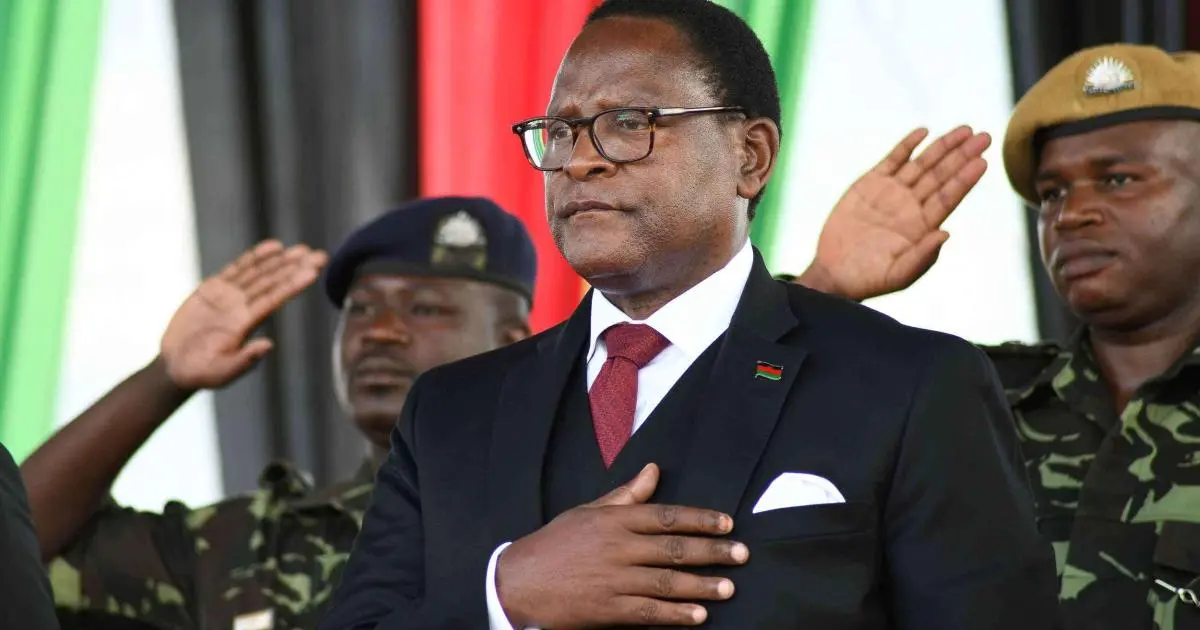
Surge in Attacks and Intimidation Against Journalists in Malawi Undermines Press Freedom
December 30, 2025
The Enduring Power of Journalism in a World of Expanding Media and Shrinking Freedom
December 31, 2025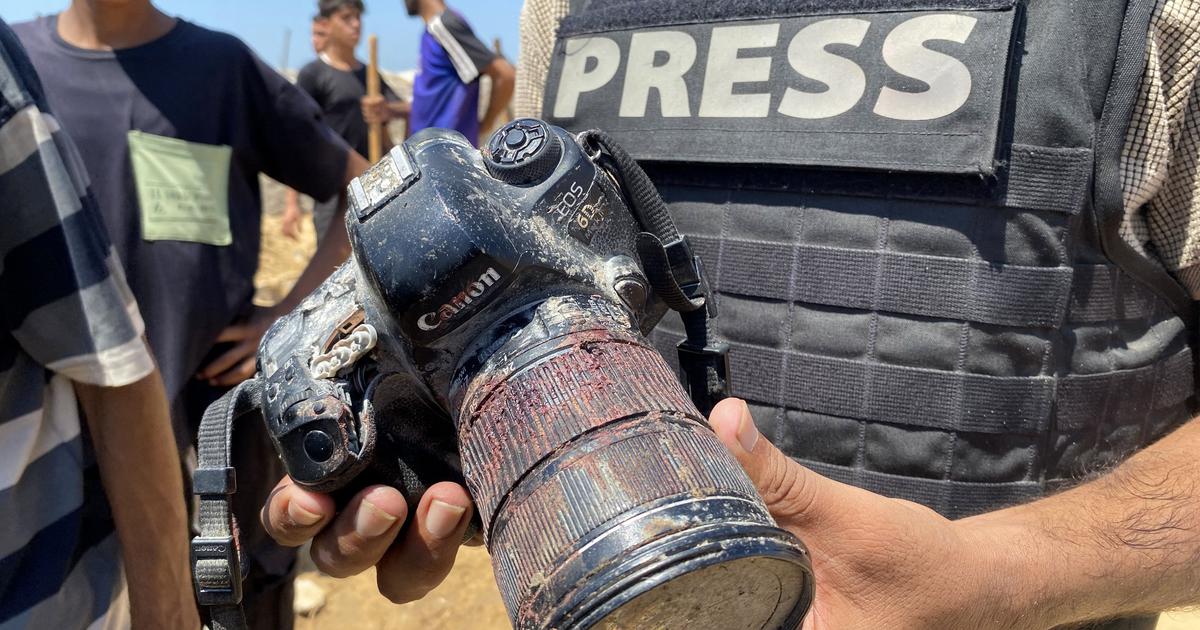
In 2025, the journalism profession has confronted an unprecedented global crisis marked by the highest toll of journalist deaths in decades and deepening constraints on media freedom. According to reporting by Scroll.in, the year reached a “murderous milestone” on December 10 when verified killings of journalists and media workers equaled 126, matching the highest annual total on record and with several weeks remaining. This figure, tracked by the Committee to Protect Journalists (CPJ), surpasses any annual death toll since systematic records began in 1992, underscoring the sharp escalation in risks associated with reporting on conflict and political volatility worldwide.
The article situates this grim statistic within a broader analysis of media landscape changes. Despite the proliferation of information sources and wider technological access to news than at any point in history, this expansion has not translated into greater reliability or freedom for journalists. Instead, governments and powerful actors have increasingly sought to control information flows, employing tactics that range from restricting access to war zones to legal measures that curtail independent reporting. Specific examples include Israel’s continued ban on most international journalists entering Gaza and Russia’s stringent limits on reporting its military operations, both of which have hindered independent coverage of major conflicts.
The dangers faced by journalists are not uniform across regions. While armed conflict zones account for many fatalities, other environments also exhibit rising hostility toward the press. Palestinian journalists operating within Gaza have endured repeated life-threatening conditions, contributing to the disproportionately high number of deaths among Palestinian media workers. Broader trends documented by press freedom organizations reveal that these risks are compounded by physical restrictions, legal pressures, and algorithmically shaped information environments that marginalize critical reporting.
This escalation in journalist deaths coincides with intensifying global challenges to free expression. Restrictive media policies, combined with political and corporate efforts to shape narratives, have constrained the ability of journalists to report independently. The article argues that the current media landscape is characterized by more channels but less actual freedom, as state and non-state actors leverage security, legal, and technological tools to limit scrutiny and accountability. The outcome is a precarious environment in which the fundamental role of journalism—as a check on power and provider of reliable information—is increasingly under threat in multiple regions around the world.
Reference –