
Peruvian Journalist Mitzar Castillejos Dies Two Weeks After Being Shot
December 29, 2025
Pakistani Police Detain Three Afghan Journalists in Islamabad Amid Migrant Crackdown
December 30, 2025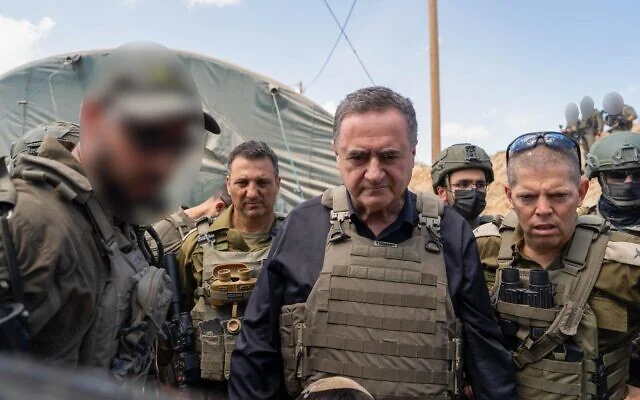
December 30, 2025 – General –
Israel has reiterated that foreign journalists will continue to be barred from entering the Gaza Strip, a policy in place since the start of the war with Hamas in October 2023. Government officials, including Defense Minister Israel Katz, have defended the prohibition by citing ongoing security concerns and potential danger to both media personnel and Israeli soldiers operating in and around the territory. Katz argued that repeated ceasefire violations by Hamas prompt rapid Israeli military responses, which could put unaccompanied journalists at risk, and he noted that detailed security considerations could not be publicly disclosed because they are classified.
The ban has been challenged in Israel’s legal system. The Foreign Press Association (FPA) has filed petitions with the Israeli High Court of Justice seeking to overturn the restrictions, arguing that preventing independent reporting undermines constitutional rights and harms Israel’s democratic image. One petition was dismissed on security grounds, and another has been delayed, with the court recently granting the government more time to respond.
While some journalists have been allowed into Gaza, this access has been tightly controlled, with foreign media typically only permitted to enter when embedded with Israeli Defense Forces (IDF) units rather than independently. Critics contend this arrangement limits objective coverage and transparency, effectively allowing the Israeli military to shape media narratives. The Committee to Protect Journalists reports that hundreds of media workers have been killed during the Gaza conflict, with Israel denying many of the allegations that journalists were deliberately targeted and asserting, without publicly shared evidence, that some had ties to Hamas.
International press freedom organizations and advocacy groups have repeatedly called on Israel to lift the ban, particularly during quieter periods of the conflict following ceasefires, arguing that global audiences are deprived of an accurate picture of conditions on the ground in Gaza. They maintain that restricting independent access undermines accountability and public understanding of the humanitarian and military situation. Despite these pressures, the Israeli government has maintained that its policy is driven by security imperatives rather than a desire to restrict reporting.
Reference –