
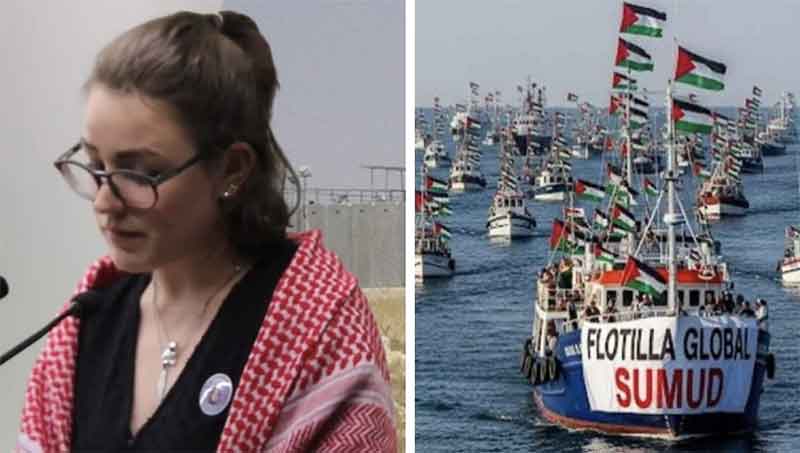
German Journalist Alleges Rape and Systematic Abuse by Israeli Forces After Gaza Flotilla Detention
December 28, 2025
Journalistic Icon Marvin Scott Awarded Key to the City of New York
December 28, 2025
December 28, 2025 – Palestine –
A senior Channel 12 journalist in Israel has filed a defamation lawsuit against several media personalities and commentators who publicly accused him of spreading “blood libel” against the Israel Defense Forces (IDF) in connection with his reporting on the Sde Teiman incident. The legal action, initiated in an Israeli civil court on December 28, 2025, reflects mounting tensions over media coverage of military operations and the boundaries of permissible criticism in a highly charged public environment.
The lawsuit was filed by [Name Withheld for Privacy in Coverage], a veteran television reporter with Channel 12 News whose Sde Teiman reports documented allegations that Israeli military actions resulted in civilian casualties during operations in and around the Kibbutz of Sde Teiman earlier in 2025. In the months following his broadcast coverage, several public figures — including commentators on social media and in online outlets — accused him of promulgating “blood libel” against the IDF, a term historically charged with invoking false, inflammatory allegations of ritual murder or malicious intent against Jewish communities or Israeli forces.
In his complaint, the journalist asserts that the accusations have damaged his professional reputation, exposed him to threats and harassment, and undermined public trust in his reporting without a factual basis. The legal filing names multiple defendants, including outspoken media commentators, and seeks compensatory and punitive damages for reputational harm, asserting that the defendants’ statements crossed the line into unlawful defamation rather than legitimate critique.
Lawyers representing the journalist argue that criticism of journalistic reporting is protected under free speech principles, but that false, defamatory claims — particularly those invoking “blood libel” — exceed acceptable bounds and inflict tangible harm. The plaintiff’s legal team emphasised that the lawsuit is not intended to suppress legitimate debate about military conduct but to address false and harmful characterisations that have had real-world consequences for their client’s safety and career.
The defendants have not publicly responded to the lawsuit as of the filing date, and no court hearing date has been scheduled. Legal experts note that defamation cases involving media figures in Israel can involve complex assessments of public interest, journalistic standards, and protections against harmful speech, particularly when they concern national security and military affairs.
The case has sparked broader discussion within Israeli media circles about the responsibilities of commentators and the potential chilling effect of litigation on journalistic independence, as well as the role of robust, evidence-based reporting in conflict and post-conflict contexts.
Reference –


