

The Kremlin’s Press Crackdown Through the Lens of a Journalist’s Two-Year Imprisonment
December 25, 2025
Investigating Government Spyware Targeting Journalists and Activists: A Research Overview
December 26, 2025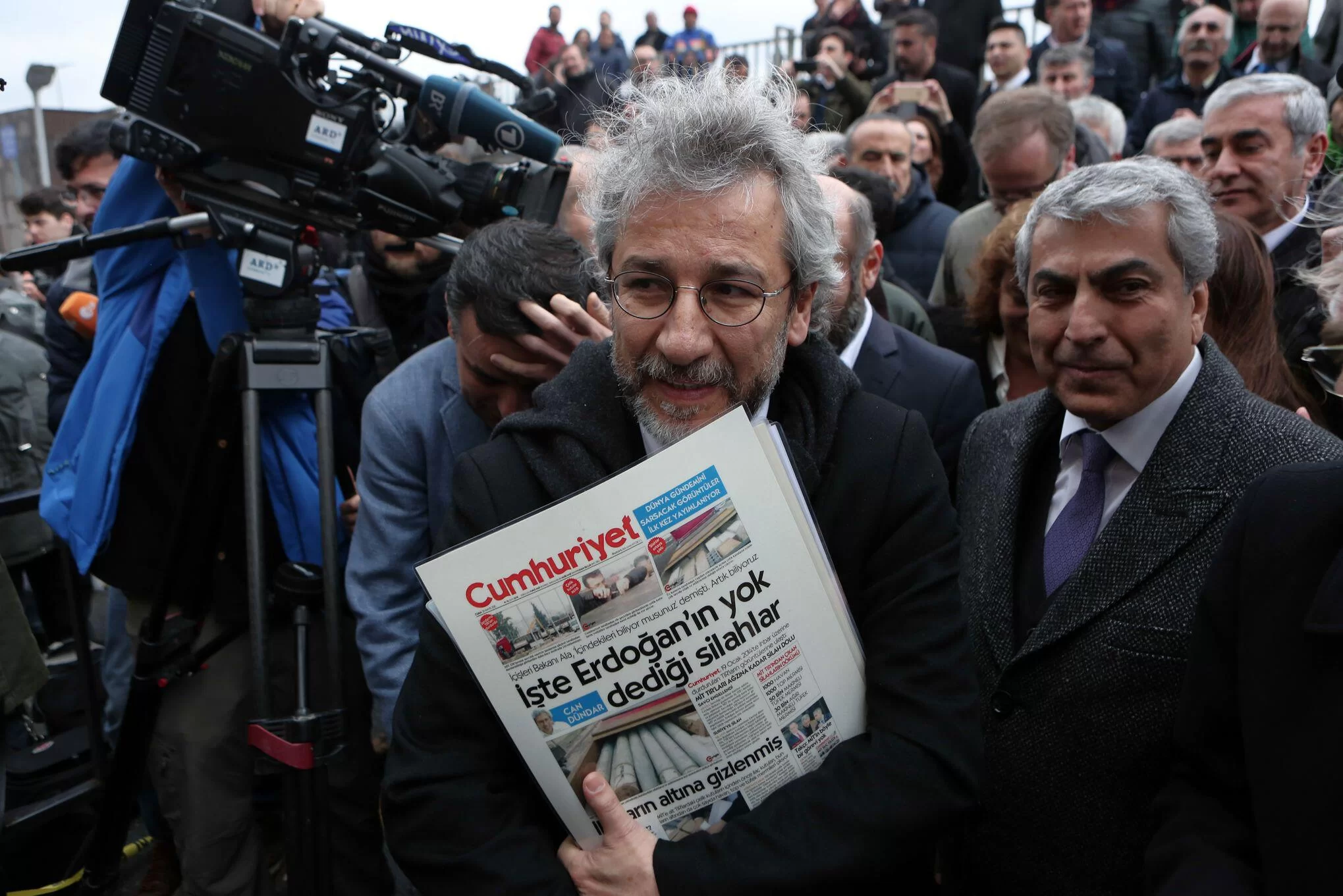
This research article examines the intersection of press freedom, political violence, and the risks faced by critical journalists through the lived experience of Can Dündar, a prominent Turkish journalist who survived an assassination attempt and now lives in exile. By analysing Dündar’s career, the threats against him and the broader suppression of media dissent in Turkey, the study highlights how authoritarian pressures transform press criticism into a matter of personal security and exile.
Introduction
Freedom of expression and independent journalism have faced sustained erosion in Turkey, particularly under successive governments that have expanded legal and extralegal tools to control media narratives. Dündar’s experience reflects these pressures. As a former editor of the opposition daily Cumhuriyet, he was widely respected for investigative reporting on state institutions before being forced into exile following repeated threats and an assassination attempt. His case serves as a lens for understanding how state and non-state actors may pursue lethal measures against journalists who challenge power, even beyond national borders.
Background and Context
Can Dündar’s journalism career spans decades, including high-profile investigative work that scrutinised political corruption, government policies, and abuses of power. His reporting on state intelligence activities and sensitive national security topics prompted legal retaliation, including prosecution under broadly applied anti-terror and defamation statutes. These legal frameworks are part of a wider pattern in which Turkish authorities have used laws such as the penal code’s incitement and national security provisions to silence critics.
In May 2015, Dündar survived an assassination attempt outside a Turkish courtroom — an incident that illustrated the violent threats faced by journalists perceived as adversaries to political elites. A hired gunman opened fire, but Dündar escaped unharmed; troublingly, photographs later emerged showing the shooter posing with Turkish security personnel, raising concerns about impunity and collusion.
Exile and Ongoing Risk
Following sustained legal and extralegal pressures, Dündar relocated to Germany, where he continues to write and advocate for press freedom. His exile underscores the personal cost of dissident journalism in environments where state and allied nationalist networks may seek to suppress critique. The article situates Dündar’s ongoing work within a broader pattern of exile and intimidation that affects Turkish journalists, including those monitored or targeted by state-linked entities even abroad.
Analysis: Press Freedom and Transnational Repression
Dündar’s experience exemplifies how authoritarian pressures extend beyond domestic borders to influence journalists in exile. Suppression is achieved not only through legal prosecution but also via threats of violence, digital surveillance, and networks that amplify hostility against dissenting voices. This transnational dimension amplifies vulnerability, complicating asylum processes and safety for critical journalists.
Implications
The case underscores key implications for media freedom: (1) legal instruments may be manipulated to criminalise journalism; (2) threats of violence and assassination attempts create climate-wide chilling effects; and (3) exile does not necessarily shield journalists from repression. The persistence of such pressures highlights the need for robust international protections, legal support networks, and coordinated advocacy to safeguard press freedom and journalist safety.
Conclusion
Can Dündar’s life as a journalist and exile illustrates the severe constraints facing independent media in Turkey and similar environments where criticism of power triggers retaliation. His experiences — including surviving an attack by a would-be killer and continuing his work abroad — provide critical insights into how authoritarian contexts suppress free expression and how transnational repression can extend the reach of state influence against dissidents.
Reference –
https://www.indexoncensorship.org/2025/12/can-dundar-the-turkish-journalist-who-met-his-killer/