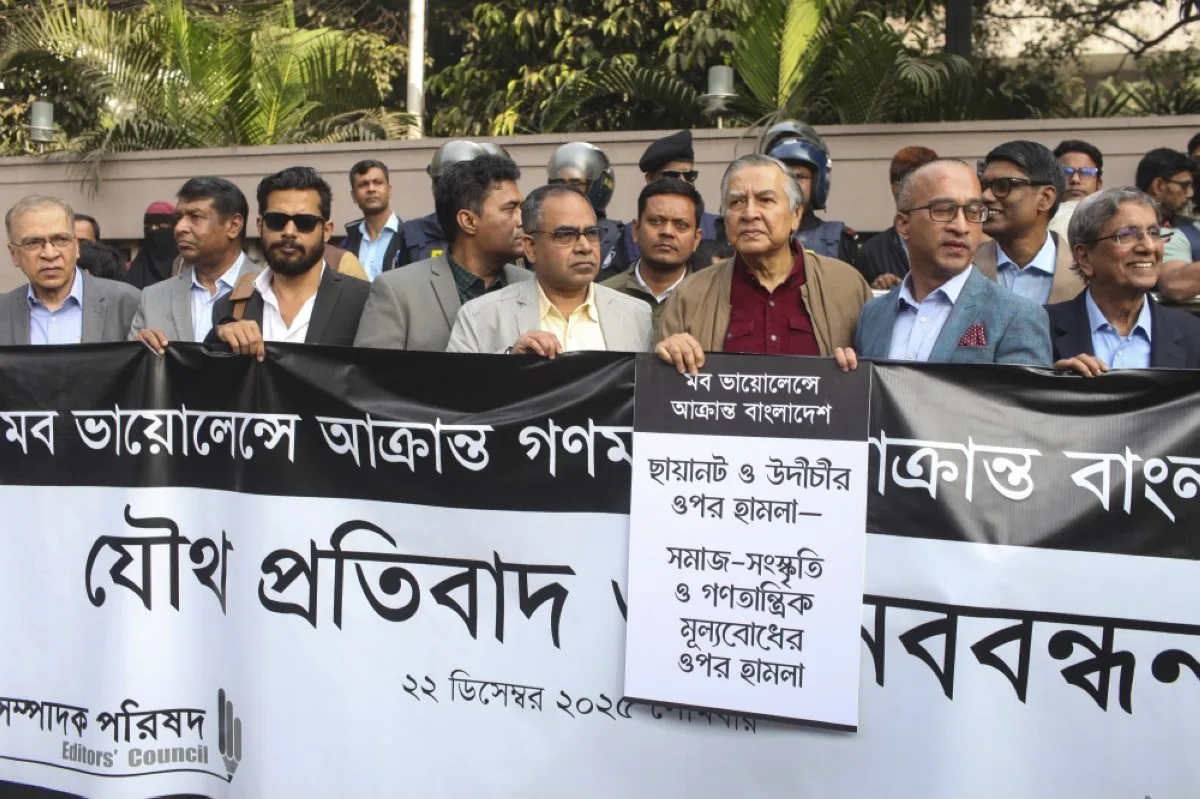
Bangladesh Journalists Rally After Attacks on Media Houses Amid Nationwide Unrest
December 21, 2025
Amnesty International Raises Alarm Over Detention of Islamabad-Based Journalist Sohrab Barkat
December 21, 2025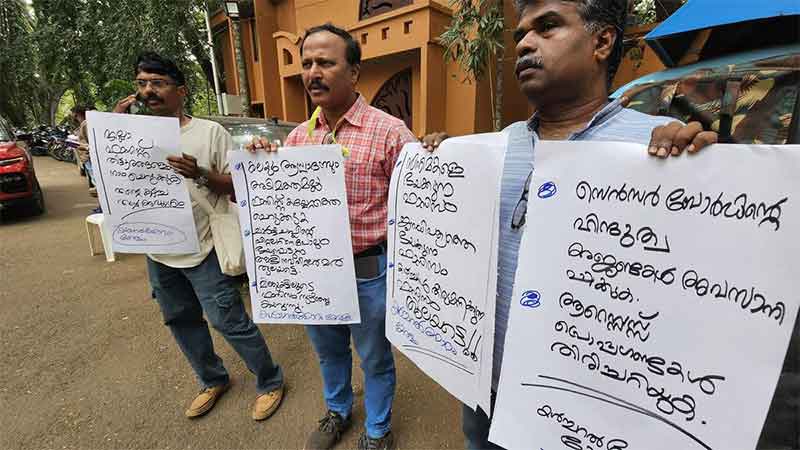
December 21, 2025 – India –
Filmmakers, writers, and cultural activists have issued a strong condemnation of censorship at the 30th International Film Festival of Kerala (IFFK) and the Kerala state government’s decision to acquiesce to restrictions imposed by India’s central authorities on the screening of select films. The controversy has drawn widespread criticism from prominent figures in the artistic community, who frame the episode as an assault on artistic freedom and democratic values in cultural expression.
The dispute began in mid-December 2025 when the Union Ministry of Information and Broadcasting declined to grant censor-exemption certificates for 19 films originally scheduled for screening at IFFK in Thiruvananthapuram. Under Indian law, films intended for festival screening must receive an exemption from the central government even if they are not intended for commercial release. The ministry’s withholding of exemptions forced the cancellation or delay of multiple screenings, including world cinema classics and politically engaged works, prompting protests by delegates and festival attendees.
In response, the Kerala State Chalachitra Academy and state government initially announced they would defy the central decision and proceed with all planned screenings, a move that was welcomed by many artists and activists as a stand for artistic autonomy against an overreaching federal authority. However, the subsequent approval of 13 of the 19 films by the central government — paired with the Kerala government’s acceptance of a ban on the remaining six titles — drew sharp criticism from cultural figures.
In a widely circulated statement signed by filmmakers, activists, and journalists, signatories expressed shock and dismay that the Kerala government ultimately “backtracked” on its defiance by agreeing to the continued exclusion of six films. The critics argued that censoring any films at an international festival undermines freedom of expression and diminishes India’s standing in global cultural discourse. The statement explicitly condemned what it described as censorship by the central government and capitulation by the Kerala government, calling on cultural leaders and the public to oppose such constraints.
The controversy has reignited broader debates in India about state influence over artistic content, festival autonomy, and the balance of power between federal and regional cultural policy. As critics continue to campaign against censorship, calls for clearer protections for artistic freedom and transparent decision-making in cultural governance have intensified within the country’s creative communities.
reference –