
Global Video News Awards Set to Elevate Storytelling From the Global South
December 16, 2025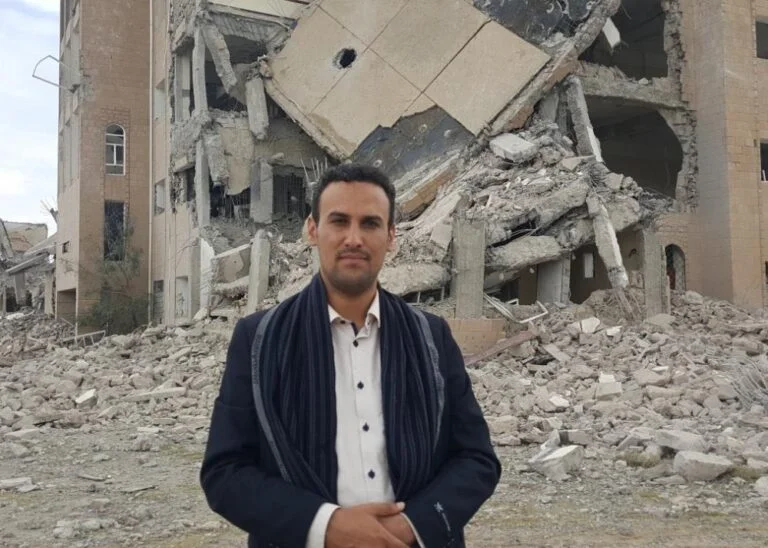
Yemeni Journalist Naseh Shaker’s Detention Draws Regional and International Outcry
December 17, 2025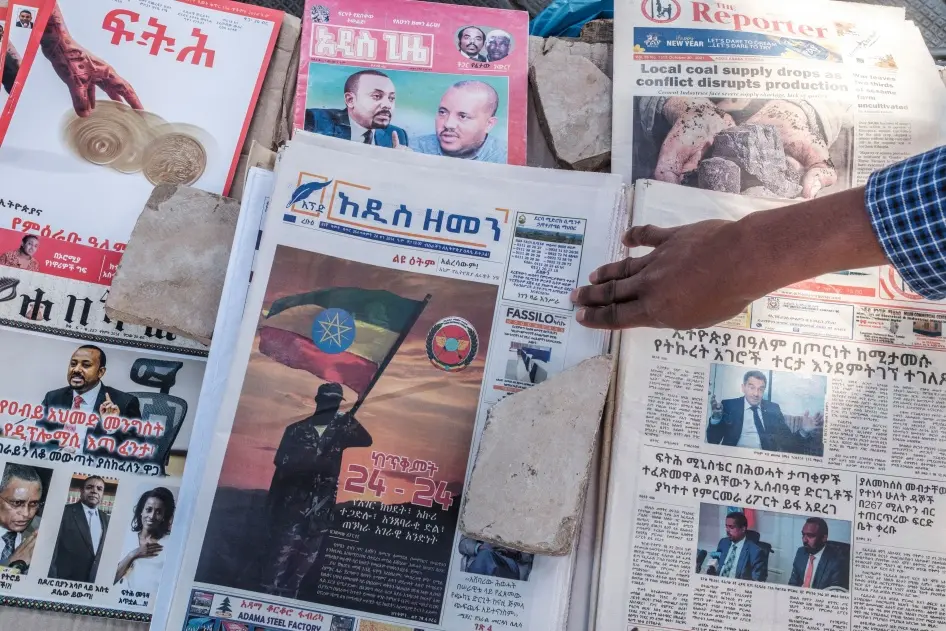
December 16, 2025 – Ethiopia –
Independent media freedom in Ethiopia has suffered a significant setback following a new wave of government restrictions and punitive actions against critical journalists and outlets, according to human-rights and press-freedom organisations. The development marks the latest in a series of measures that observers say erode constitutional protections for free expression and sharply constrict the space for independent journalism.
According to Human Rights Watch, Ethiopian authorities have intensified their campaign against media outlets perceived as critical of the government, particularly those reporting on political unrest, ethnic tensions, and human-rights abuses. The crackdown has included arrests, prosecutions under broadly worded national security and anti-terrorism laws, closure of media facilities, and pressures on digital platforms.
Local press networks report that recent actions have directly impacted journalists working for independent and regional media, many of whom have been summoned for questioning, had equipment seized, or faced criminal charges. In some cases, journalists covering protests or conflict zones have been detained without timely access to legal counsel, raising concerns about due process and arbitrary detention. Rights groups describe these tactics as part of a coordinated effort to deter investigative and critical reporting.
The tightening environment comes amid broader political tensions in Ethiopia, including ongoing conflicts in the Tigray and Oromia regions, where information flows have been sporadically restricted, and journalists face extraordinary risks. Press-freedom advocates argue that independent reporting in these contexts is essential for documenting potential violations of human rights and for informing both domestic audiences and international observers.
Civil society groups and journalism organisations have condemned the government’s actions, calling on Ethiopian authorities to respect constitutional guarantees of free expression and to cease using security laws to justify censorship and persecution. They argue that punitive measures undermine not only individual journalists but the public’s right to be informed, weakening democratic discourse and accountability mechanisms.
International rights monitors have also raised alarms, urging diplomatic engagement and increased scrutiny from multilateral institutions to pressure Ethiopia to uphold international human-rights norms. They note that without meaningful reforms, the shrinking media space will further isolate the country’s information environment and embolden further repression of independent voices.
For Ethiopian journalists operating on the front lines of reporting — often under threat of arrest, harassment, or worse — the latest restrictions represent both a personal risk and a structural blow to the role of a free press in society. Many continue to call for legal protections, safety guarantees, and an end to the use of security charges to silence critical reporting.
Reference –
https://www.tolerance.ca/ArticleExt.aspx?ID=593960&L=en
https://www.hrw.org/news/2025/12/15/another-blow-to-media-freedom-in-ethiopia