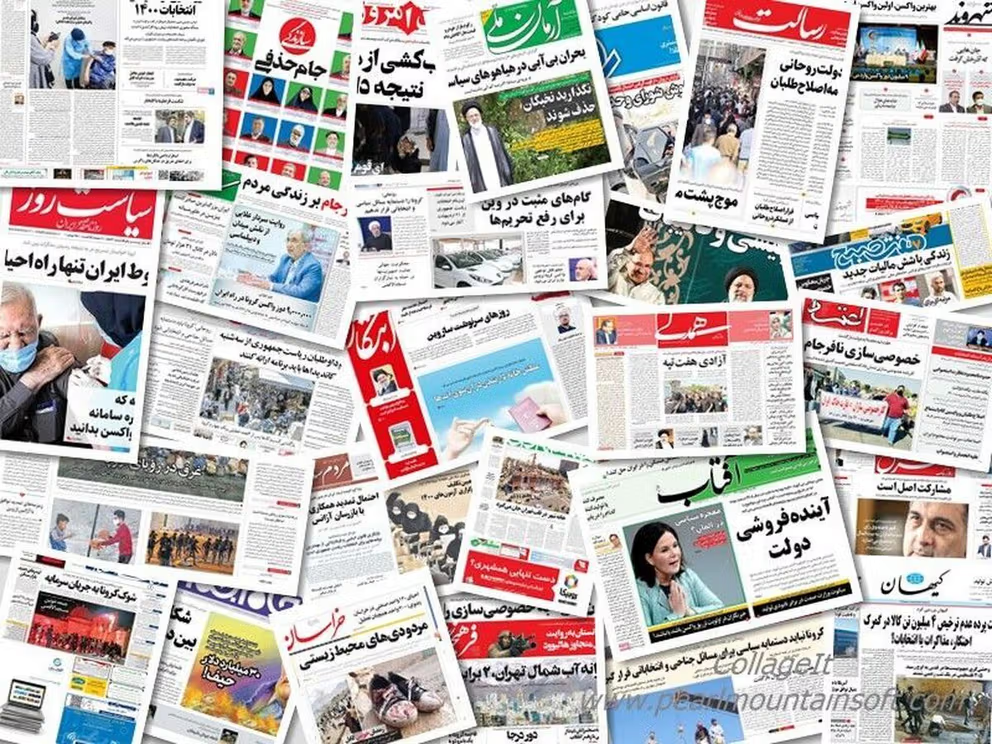
Iran Among the World’s Top Prisoners of Journalists, RSF Warns of Worsening Press Crackdown
December 9, 2025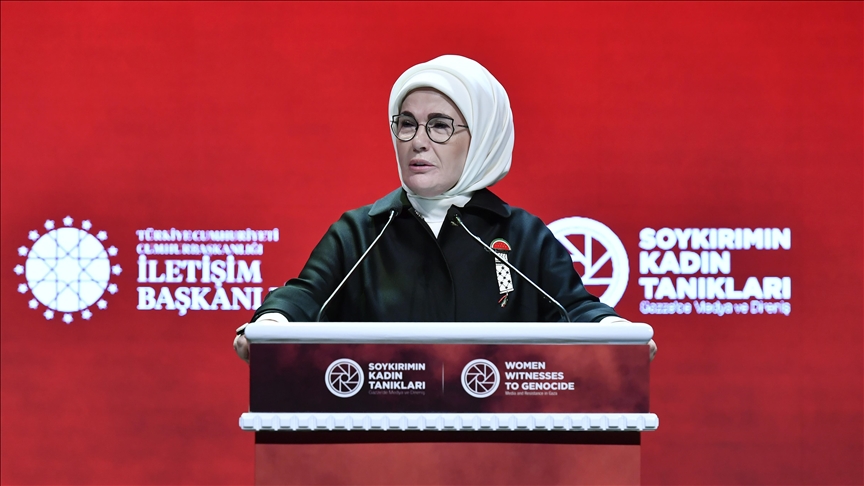
Turkish First Lady Condemns Israel Over Targeting of Journalists in Gaza
December 10, 2025
December 09, 2025 – General –
A United Nations agency has reported a concerning global increase in violence and harassment targeting women journalists and activists — much of it connected to online abuse — underscoring the expanding risks female media professionals face in both digital and physical spaces. The findings were released in a briefing that highlights how gender-based violence and digital hostility are converging to threaten not only individual women but the broader integrity of public debate and democratic participation.
According to the report, attacks against women journalists, human-rights defenders, and civic activists have surged over the past year. These include sustained campaigns of online harassment, coordinated smear efforts on social media, doxxing, and threats that often spill into real-world intimidation or violence. The pattern is especially pronounced against women who cover politics, corruption, conflict, or gender-based issues, making them prominent targets for misogynistic backlash.
UN experts say this trend reflects broader societal and technological shifts, where digital platforms — while offering new spaces for expression — also enable perpetrators to launch rapid, widespread abuse with minimal accountability. The rise of automated bots, anonymous messaging, and unmoderated comment sections has amplified the reach and intensity of online harassment campaigns. When combined with offline threats, these tactics create a hostile environment that can discourage women from pursuing journalism or civic activism.
The briefing notes that women already face disproportionate risks compared to their male counterparts. This includes not only online abuse but also verbal and physical assaults at protests, legal harassment through defamation or national-security laws, and institutional barriers that undermine their safety and career progression. The intersection of digital and physical violence, experts warn, is creating a new paradigm of repression that is harder to document, regulate, or prevent.
In response to these findings, the UN agency has urged governments, media outlets, and technology companies to adopt comprehensive strategies to protect women journalists and activists. Proposed measures include strengthening legal frameworks to address online gender-based violence, enhancing digital literacy and support services, and ensuring enforcement of existing laws that protect against threats and harassment.
Press-freedom advocates welcomed the UN’s call to action but stressed that real change requires cooperation across borders and sectors. They argue that without coordinated efforts to hold perpetrators accountable — both online and offline — the chilling effect on women’s voices will continue to grow, silencing critical perspectives at a time when inclusive information flows are vital for democratic resilience.
Reference –
https://www.unesco.org/en/articles/global-survey-reveals-rising-violence-against-women-journalists