
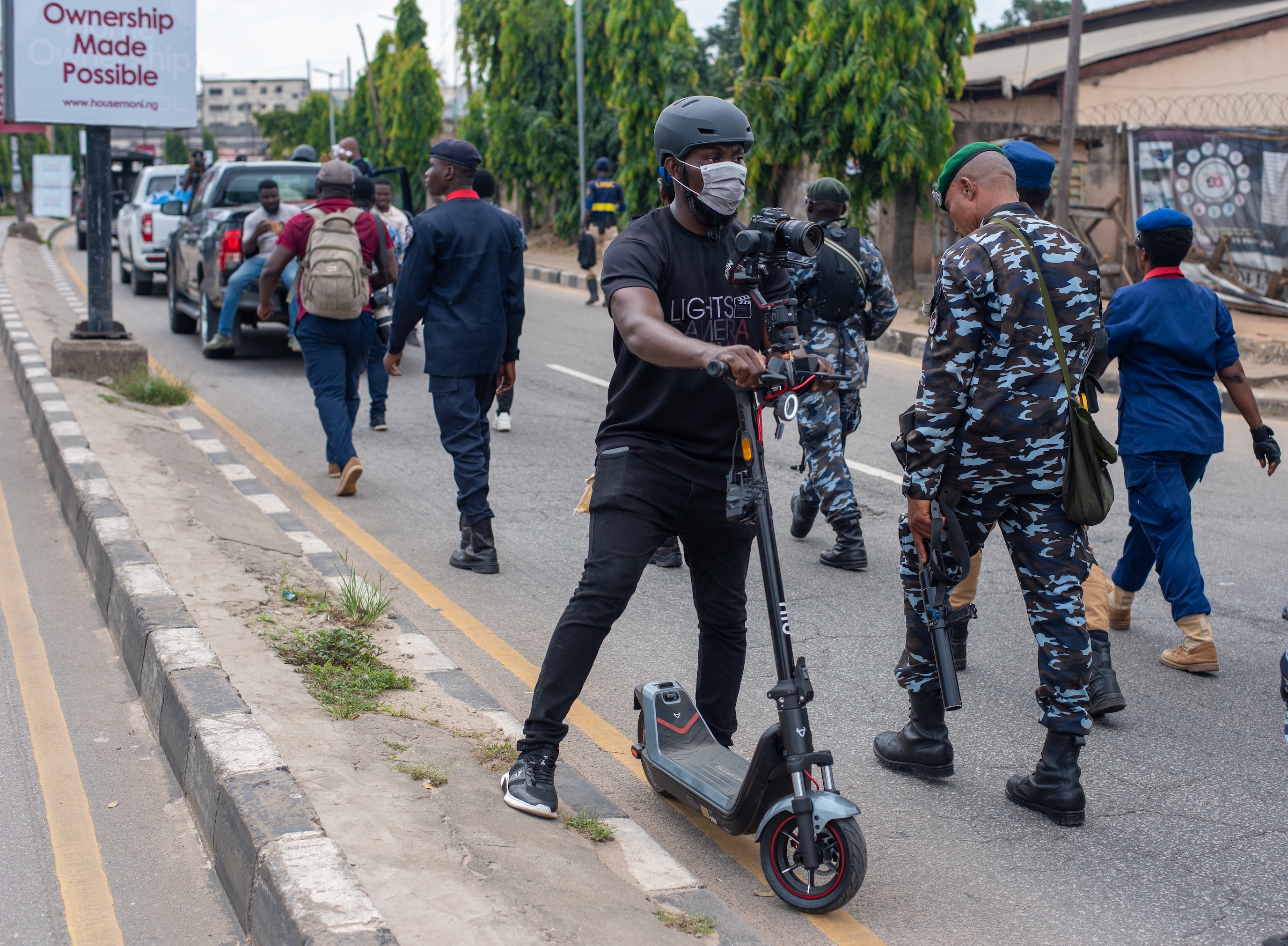
Reporting Under Fire: African Journalists Face Intimidation, Arrests and Exile in Fight for Truth
December 11, 2025
Jarosław Ziętara and the Enduring Crisis of Impunity for Crimes Against Journalists
December 14, 2025
The 2025 annual press-freedom assessment by Reporters Without Borders (RSF) identifies an alarming escalation in violence, repression, and impunity affecting journalists worldwide. The data reveal not only high casualties among media workers but also entrenched practices by states, armed forces, criminal networks, and extremist actors that deliberately target journalists, undermining global information ecosystems and democratic accountability.
Key Findings
Fatalities and Targeted Killings
Between 1 December 2024 and 1 December 2025, RSF documented 67 journalists killed globally, marking one of the deadliest periods for the profession. These deaths were not random or incidental: “journalists do not just die — they are killed,” RSF’s director general stated, emphasizing that many were specifically targeted because of their work.
Conflict zones emerged as the most lethal environments, particularly the Gaza Strip, where 29 journalists were killed, accounting for approximately 43 percent of all killings. Gaza alone was identified as the deadliest location for journalists in 2025, reflecting both intensified hostilities and restricted press access that heighten risks for reporters covering the war.
Other dangerous contexts included Mexico, where organised crime was responsible for numerous murders, making it one of the highest-risk non-conflict environments for journalists. Journalists in Ukraine, Sudan, and other war zones also faced a significant risk of death while reporting.
Detentions, Missing Journalists and Hostages
The report highlighted that 503 journalists and media workers were imprisoned in 47 countries, with China, Russia, and Myanmar among the leading jailers. An additional 135 journalists were categorized as missing across 37 nations, and 20 were held hostage, underscoring the multiple forms of repression taking place globally.
Impunity and Legal Repression
RSF’s round-up underscores how impunity fuels violence: perpetrators of crimes against journalists — whether military, criminal, or state actors — are rarely held accountable. This lack of consequences emboldens further abuses, contributing to a climate where attacks on journalists are normalized rather than punished.
Drivers of Threats
The RSF analysis identifies several intersecting drivers:
- War and armed conflict — especially in Gaza, Ukraine, and Sudan — which blend combat danger with deliberate targeting.
- Organised crime — driving murders in regions such as Mexico.
- State repression and legal harassment — with excessive imprisonment of journalists and restrictions on press freedoms in authoritarian contexts.
Implications for Press Freedom and Democracy
The 2025 report underscores a troubling global trend: journalists increasingly face lethal threats, incarceration, and disappearance. These patterns erode press freedom, hinder public access to independent information, and weaken democratic oversight. The targeting of journalists — particularly in high-conflict areas — undermines the ability of societies to hold power to account, document human-rights abuses, and foster informed public discourse.
Conclusion
RSF’s findings make clear that protecting journalists is not merely a professional concern but a fundamental necessity for the functioning of open societies. Without robust international mechanisms to prevent violence, secure accountability for perpetrators, and safeguard independent media, the world risks seeing press freedom retreat further — with dire consequences for transparency, justice, and democracy.
Reference –
https://rsf.org/en/2025-deadly-year-journalists-where-hate-and-impunity-lead