Filipino Journalist-Councilor Stabbed to Death in Surigao del Sur — Police Launch Malicious Killing Probe
December 8, 2025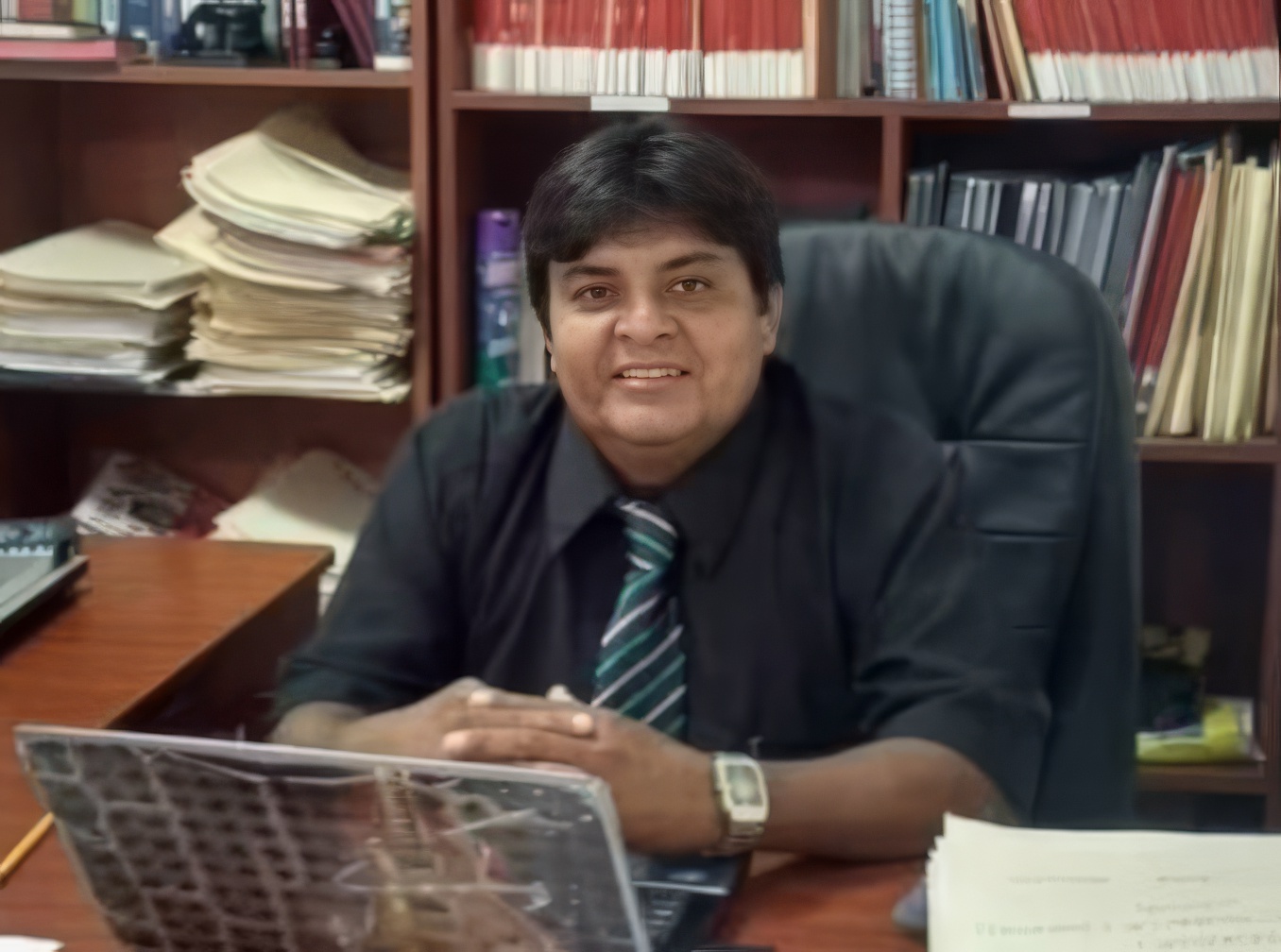
Peruvian Investigative Journalist Gunned Down by Hitmen After Reporting on Corruption
December 9, 2025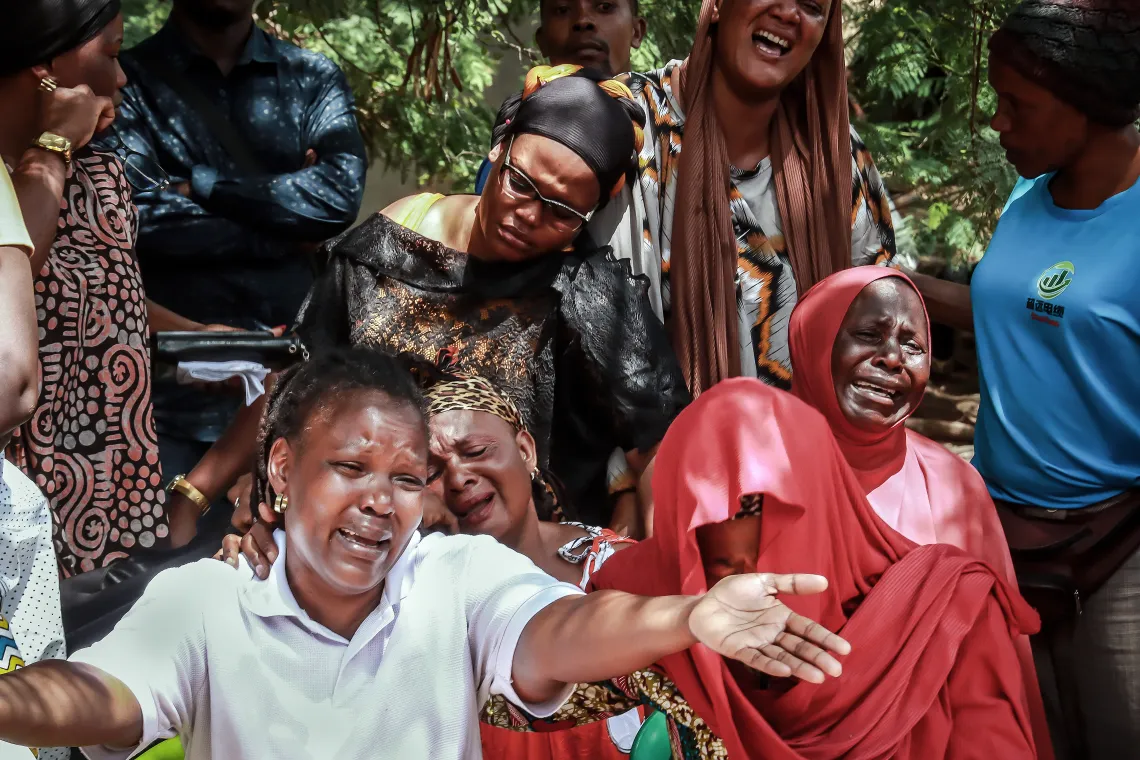
December 09, 2025 – Tanzania –
Intimidation, violence, and fear have closed the space for independent journalism in Tanzania following the disputed October 29, 2025, elections, according to human-rights organizations monitoring the situation. Reporters covering protests and unrest have faced deadly risks, arrest threats, and a chilling atmosphere that press-freedom advocates say is undermining basic rights.
According to interviews with Tanzanian journalists, many are now avoiding reporting on politically sensitive topics due to fears of retaliation, including possible charges of treason for questioning official narratives about the election and its aftermath. Journalists described a “climate of fear” in which they feel powerless to publish independently, with some outlets self-censoring rather than face legal or extralegal consequences.
The deterioration in press freedom is occurring amid a broader government crackdown on dissent after President Samia Suluhu Hassan was declared the winner with nearly 98 percent of the vote in elections widely criticized for irregularities and exclusion of opposition candidates. Security forces used lethal force against demonstrators, and internet and media restrictions have impeded independent reporting on the unrest and alleged abuses.
Human Rights Watch and a coalition of civil society groups have urged the United Nations Human Rights Council and its member states to increase multilateral engagement with Tanzania in order to prevent further deterioration of human rights, including for journalists. The groups highlighted a pattern of killings, detentions, and repression linked to post-election protests, and called for transparent, impartial investigations and accountability mechanisms.
Furthermore, a joint appeal from the Committee to Protect Journalists and 29 other organizations to the UN urged action to halt abuses and protect freedom of expression for media workers. Observers say that without stronger international pressure and safeguards, Tanzanian journalists will remain at high risk of censorship, legal punishment, and violence, threatening both press freedom and the broader democratic space.
The combined developments underscore growing alarm that, in the wake of disputed elections and violent crackdowns, journalists in Tanzania are increasingly unable to carry out independent reporting — a trend rights groups warn undermines transparency and accountability at the heart of democratic governance.
Reference –
‘We cannot publish’: Fear silences Tanzanian journalists over election killings, arrests