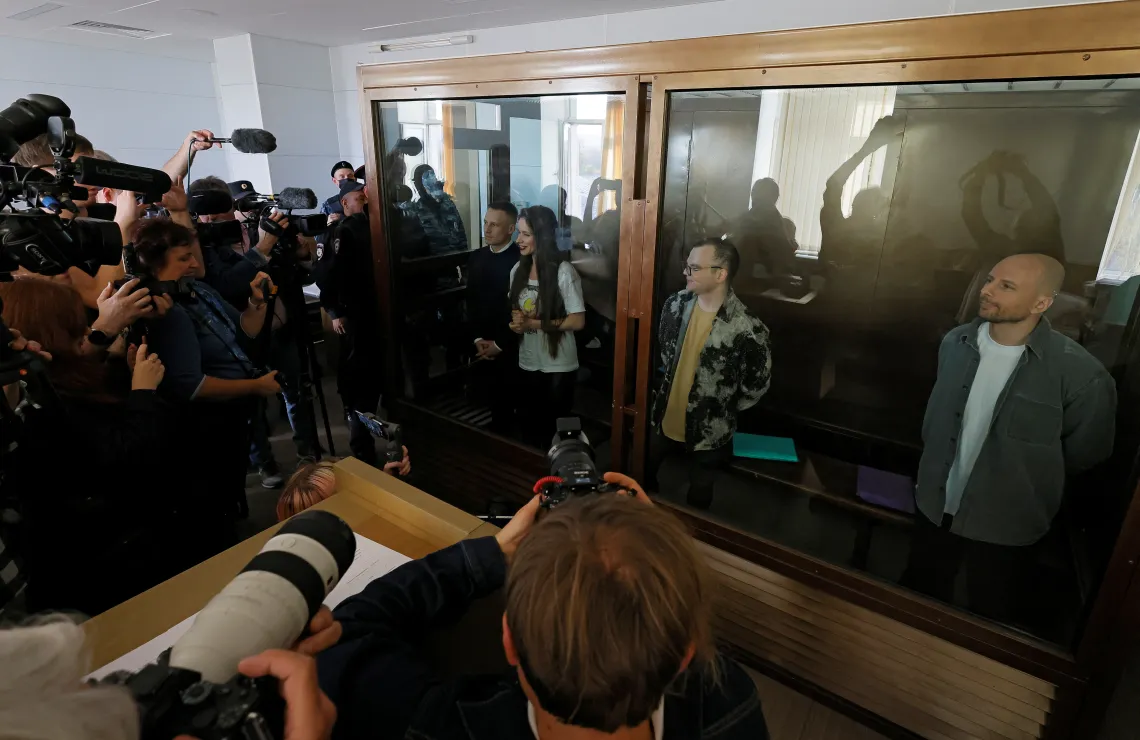
Russia’s Media Crackdown: New Report Lays Bare Widespread Repression of Journalists
December 7, 2025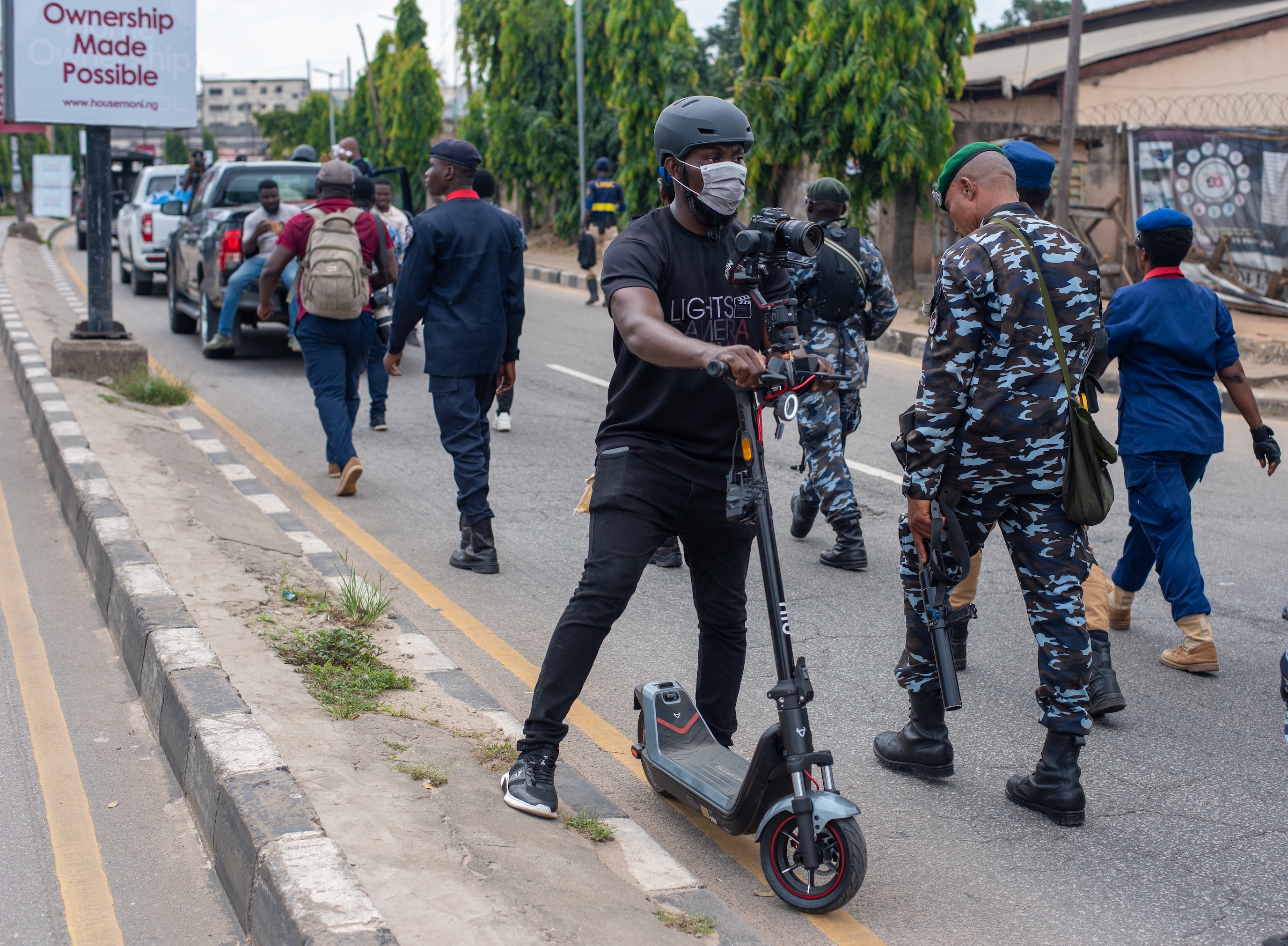
Reporting Under Fire: African Journalists Face Intimidation, Arrests and Exile in Fight for Truth
December 11, 2025
Background & Problem Statement
Women journalists around the world face disproportionate risks while performing their jobs. Harassment, gender-based violence, online abuse, threats, sexual assault, and even murder are alarmingly common. This hostile environment not only endangers individual journalists but also undermines press freedom, diversity in media, and the public’s right to information. (source: UNESCO data, rights-advocacy sources)
Despite growing awareness, many media organizations and legal frameworks remain inadequate in addressing or preventing these threats. This research project aims to systematically document the nature and scale of risks faced by women journalists, analyze gaps in protection, and propose actionable measures for stakeholders (media houses, governments, civil society, international bodies).
Key Evidence & Context
- According to global monitoring by UNESCO, women journalists face a wide range of abuses — from online harassment and intimidation to physical attacks, sexual assault, and murder — often because of their gender and profession.
- A 2025 article on gendered risks in journalism highlights how threats to women reporters must be treated as human-rights issues — not just workplace hazards.
- Rights-advocacy literature (including resources from ARTICLE 19) underscores that insufficient legal protections, weak institutional support, and social stigma compound the vulnerability of women in media.
Research Questions / Objectives
This project aims to answer key questions such as:
- What are the most common threats faced by women journalists globally — online abuse, physical violence, sexual harassment, legal harassment, etc.?
- How do these threats differ by region, media type (print, broadcast, digital), and the journalist’s role (reporter, editor, photographer)?
- What existing protections (legal frameworks, media-house policies, international conventions) are in place, and how effective are they?
- What gaps remain, and how do these gaps contribute to self-censorship, attrition, or discourage women from pursuing journalism?
- What best practices and policy recommendations can be proposed to improve safety and uphold media freedom?
Methodology/Research Design
To address these questions, the study will use a mixed-methods approach:
- Quantitative Data Collection — compile incidents and statistics from global databases (e.g., from UNESCO, ARTICLE 19, journalists’ unions) over the past 5–10 years: number of attacks, types of abuse, region, outcome (arrests, convictions), etc.
- Qualitative Analysis — conduct interviews (or collect testimonies) with women journalists who have experienced harassment or violence; gather case studies from different countries and media environments.
- Policy & Legal Review — examine existing national and international laws, media-house policies, codes of conduct; evaluate how they address (or fail to address) gender-based threats to journalists.
- Comparative Analysis — compare protection mechanisms and outcomes across countries/regions to identify patterns of effective or failed protections.
Expected Challenges & Ethical Considerations
- Safety & anonymity: Interviewing journalists who have faced threats requires careful anonymization and consent; the risk of retraumatizing survivors must be minimized.
- Data reliability: Underreporting of harassment and violence — especially in less free media environments — may bias findings.
- Legal/political sensitivity: In authoritarian or conflict-affected countries, gathering or publishing information may risk the safety of participants.
Outcomes & Deliverables
- A comprehensive report presenting data, trends, and risk profiles for women journalists globally.
- Policy recommendations for media houses, governments, and international organizations to strengthen protections (legal reforms, safety protocols, support networks).
- A proposed framework for ongoing monitoring and reporting of gender-based threats to journalists.
- Advocacy materials (e.g., briefings, infographics) that civil society and media-freedom organizations can use for awareness-raising and lobbying.
Importance & Impact
This research could significantly contribute to shifting the perception of threats against women journalists — from isolated workplace incidents to a systemic human-rights concern requiring coordinated global action. By highlighting patterns, gaps, and solutions, the project would support efforts to build safer media environments, encourage gender equity in journalism, and safeguard vital channels of free expression worldwide.
Reference –
https://www.bulatlat.com/2025/12/07/women-journalists-safety-as-human-rights-issue/
https://www.article19.org/wp-content/uploads/2022/03/AdvoSheet-EN.pdf