Global Recognition for Press Freedom Defenders as PEN Canada Honours Journalists and Advocates
November 29, 2025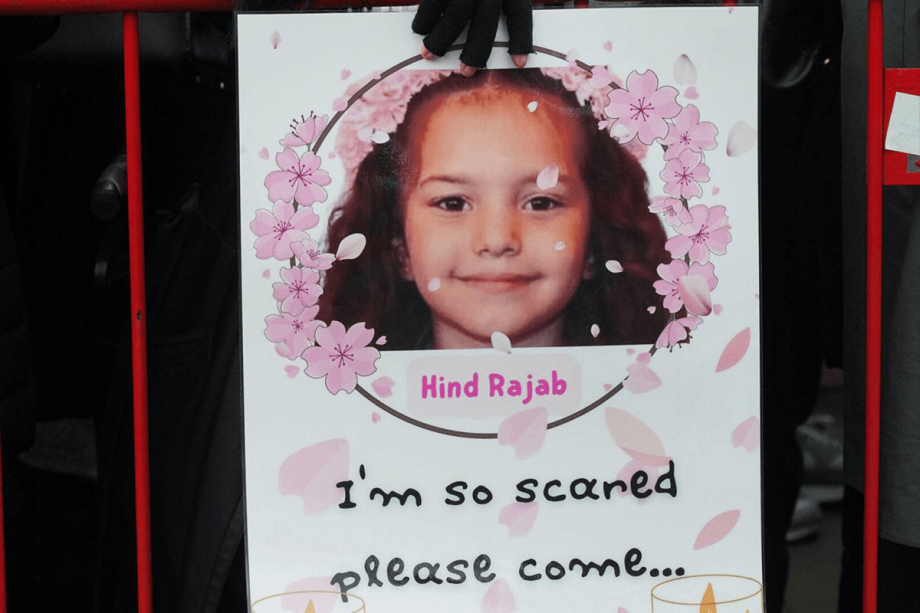
Truth on Trial in Rome: Italian Parliament Screens Al-Jazeera’s Report on Child Victim Hind Rajab
November 30, 2025
November 30, 2025 – USA –
In recent weeks, a growing chorus of opinion voices has pointed to what many consider a dangerous pattern of public abuse against women journalists by powerful political figures — most notably Donald J. Trump — hiring their remarks as part of a broader campaign undermining trust in and safety for the free press.
According to a commentary in one major outlet, when a president openly ridicules women journalists, it does more than demean a person. It shifts focus from their questions — questions that often demand accountability — to their gender, appearance, or perceived worth. That redirection weakens the core social function of journalism, which is to challenge power and speak truth to it.
In recent episodes captured by media coverage, female reporters raising tough, legitimate questions about political scandals or public-interest topics have been met not with answers, but with personal insults. Some are labelled “ugly,” “piggy,” or dismissed entirely for their “attitude.” The language used often reflects deeply gendered assumptions about who belongs in a newsroom and which voices are deemed acceptable.
Observers warn that this kind of public defamation carries heavy implications: it can erode journalists’ credibility, embolden further harassment — online or offline — and foster a climate where self-censorship becomes a survival strategy. A recent global report underscores these risks: women journalists are disproportionately targeted by digital abuse, threats, and disinformation campaigns that aim to silence them or discredit their work.
Advocates argue that these attacks are not incidental or occasional. They are symptoms of systemic misogyny embedded in how some officials treat press scrutiny, and of a broader hostility toward independent reporting. They call on newsrooms, civil society, and the public to stand firm in support of those who dare to ask the tough questions — because silencing dissent is as dangerous as fabricating news.
Through all this, women journalists in the United States and beyond are pressing forward. They continue to report, investigate, and ask questions. Their resolve reminds us that when journalists are threatened simply for doing their job — it is not just a personal attack — it is an attack on democratic accountability itself.
Reference –