When Journalism Is Treated as a Crime
November 27, 2025
Russia’s Independent Journalists Get a Voice on Screen
November 28, 2025
November 27, 2025 – Turkey –
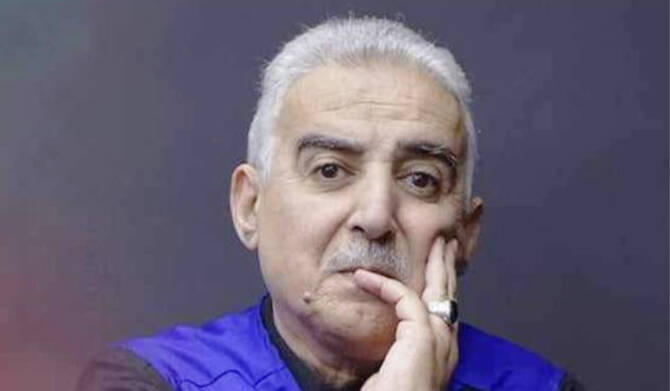
A court in Istanbul on November 26, 2025, sentenced veteran journalist Fatih Altaylı to four years and two months in prison after finding him guilty of “threatening” Turkish President Recep Tayyip Erdoğan. The verdict stems from remarks Altaylı made in a June 2025 broadcast on his YouTube channel, where he referenced historical cases of Ottoman sultans being deposed or killed — comments prosecutors interpreted as a veiled threat against Erdoğan.
Altaylı, 63, has been detained since June, days after the video went viral. The broadcast criticized a proposed lifetime presidency and noted that a poll had found 70 percent of the Turkish public opposed such a move. During his trial, Altaylı insisted that his remarks were historical commentary, not a threat. He argued that there was no realistic way his words could have frightened a president protected by 4,000 security personnel, and accused the justice system of misapplying the law.
Despite the sentence being under five years, the court did not suspend it, meaning Altaylı remains behind bars while his legal team prepares an appeal. Prosecutors had originally sought a sentence of at least five years.
The ruling sparked swift condemnation from press-freedom organizations. The International Federation of Journalists denounced the conviction as part of an ongoing crackdown on dissenting media voices in Türkiye and called for Altaylı’s immediate release. They warned that the case sends a chilling message to journalists and undermines the public’s right to receive critical, independent reporting.
Observers note that Altaylı’s case fits into a broader pattern of judicial pressure on journalists, especially those reliant on alternative platforms such as YouTube. With mainstream media largely under pro-government control, many independent voices turned to digital platforms — only to face increased scrutiny and legal risk.
In court, Altaylı was joined by prominent colleagues and academics who came to show solidarity. The presence of Erdoğan’s lawyer in the trial underlined the political weight of the verdict. As he left the courtroom, Altaylı rejected the judgment as unjust, insisting that his statements were taken out of context and that the sentence amounted to punishment for exercising free speech.
With the appeal process underway, many in the Turkish media community fear this conviction may mark a new low for press freedom in the country. The case may further discourage critical journalism and erode the space for dissent.
Reference –