How China’s Global Reach Silences Environmental Journalists
November 25, 2025
Mozambique’s Silenced Storytellers Resurface: How Journalists Escaped Jihadi Persecution
December 3, 2025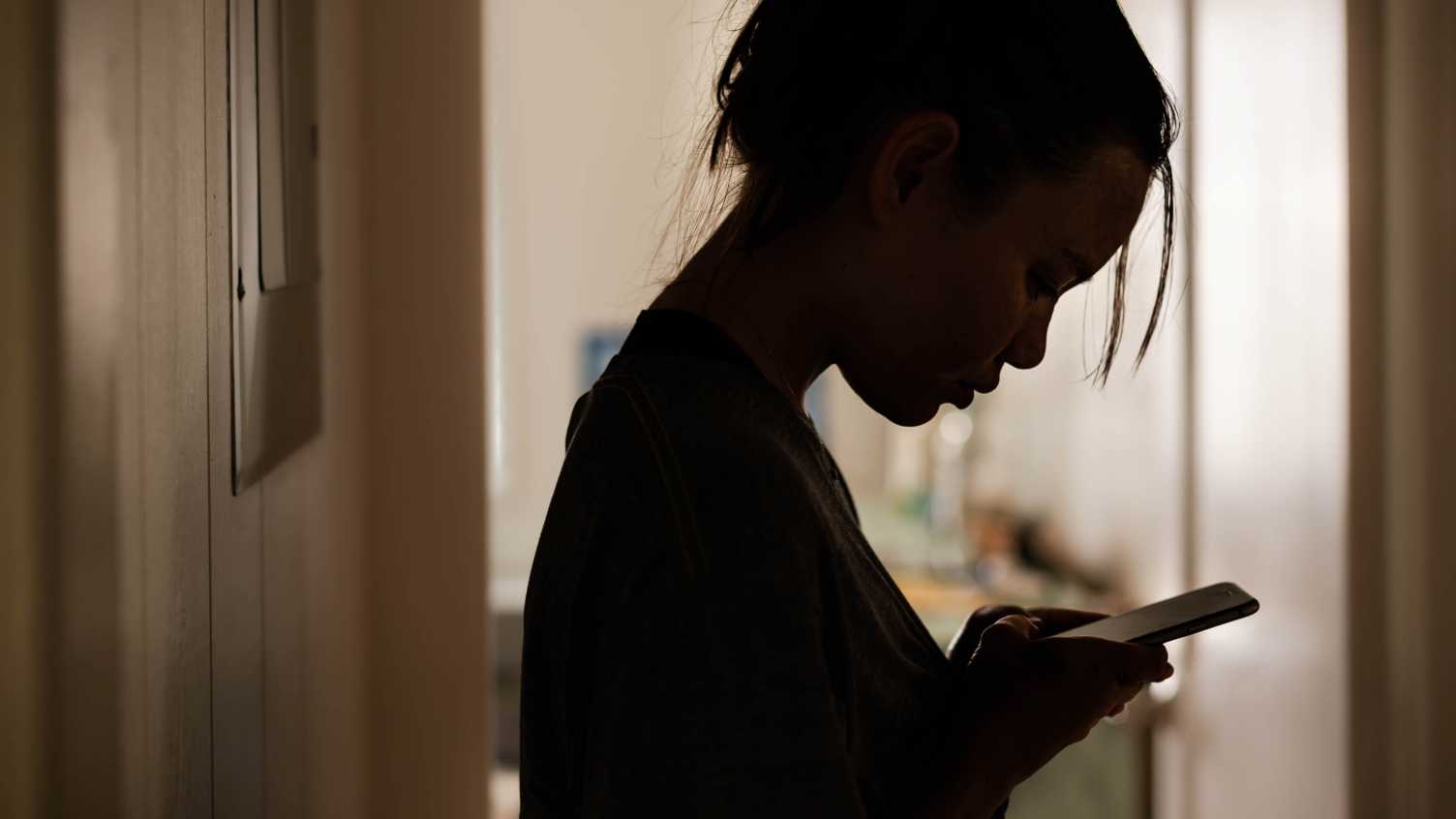
A new report released on 24 November 2025 by the National Union of Somali Journalists (NUSOJ), in partnership with the International Federation of Journalists (IFJ), reveals a dramatic surge in violence — both online and offline — against women working in Somali media between 2023 and 2025. The findings document 79 confirmed instances of sexual and gender-based violence targeting women journalists across the country.
The abuses documented in the report are pervasive and multifaceted. Many cases involve sexual harassment in newsrooms and media workplaces, ranging from unwanted physical contact to coercive demands for sexual favors tied to job security or career advancement. Some incidents escalated to outright physical assault or attempted rape. Beyond the workplace, women faced harassment while reporting in public spaces and in the field — a grim indicator of the heightened exposure and vulnerability female media workers endure.
The danger extends into digital spaces. The report highlights a sharp increase in cyber-attacks directed at women journalists, often involving emerging technologies. Some have been subjected to coordinated campaigns featuring manipulated or pornographic deepfake images, AI-based voice cloning, fabricated online profiles, and threats of sexual violence or death. These digital attacks are frequently paired with offline intimidation, including stalking, anonymous threats, and harassment.
The scale of reported cases represents only a fraction of the true scope, advocates warn. Many women choose not to come forward due to fear of retaliation, social stigma, possible job loss, or lack of trust in the justice system. The culture of silence and impunity means many perpetrators escape accountability, leaving victims without recourse, legal protection, or psychological support.
In response, IFJ General Secretary Anthony Bellanger called for urgent action: recognizing gender-based violence against media workers as a serious threat to press freedom, and pushing for media organizations and Somali authorities to adopt robust protection measures, clear anti-harassment policies, safe reporting channels, and mechanisms to hold abusers accountable.
The report’s findings send a warning that the crisis is reaching a breaking point. If women journalists continue to be targeted with impunity, Somalia risks losing vital voices that reflect diverse perspectives and hold power to account. Ensuring their safety is both a matter of human rights and a requirement for a free, independent press capable of serving the Somali public.
Reference –