
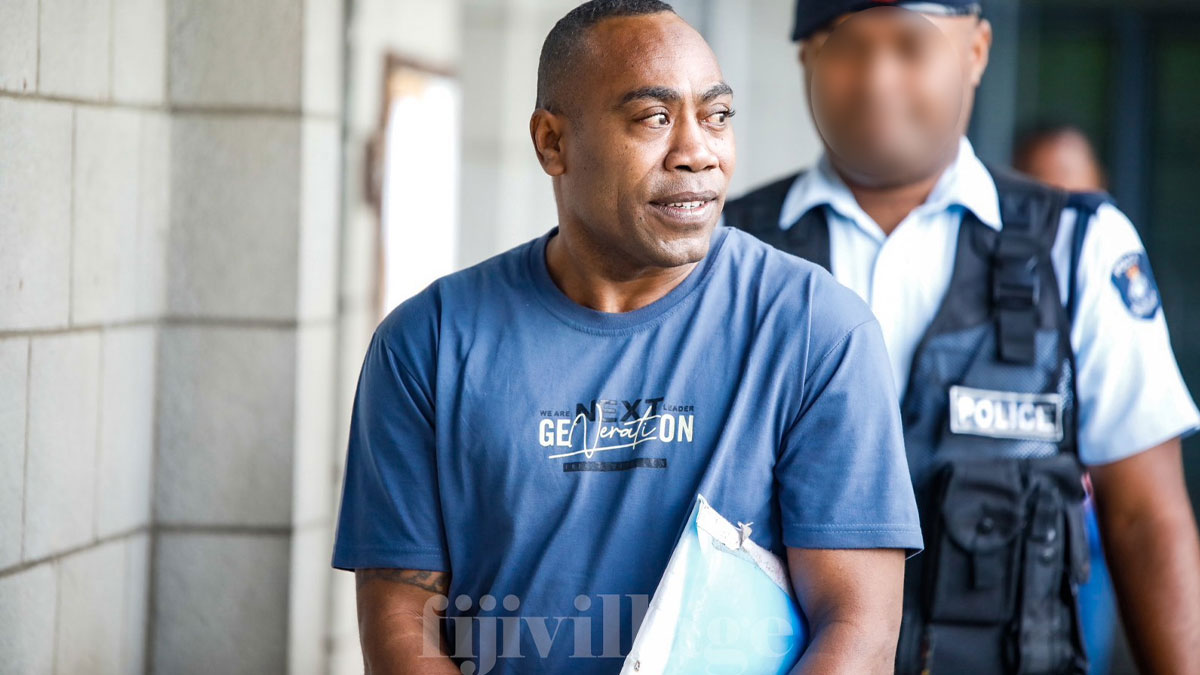
Fiji Presses Police to Strengthen Courtroom Security After Journalist Assault
November 24, 2025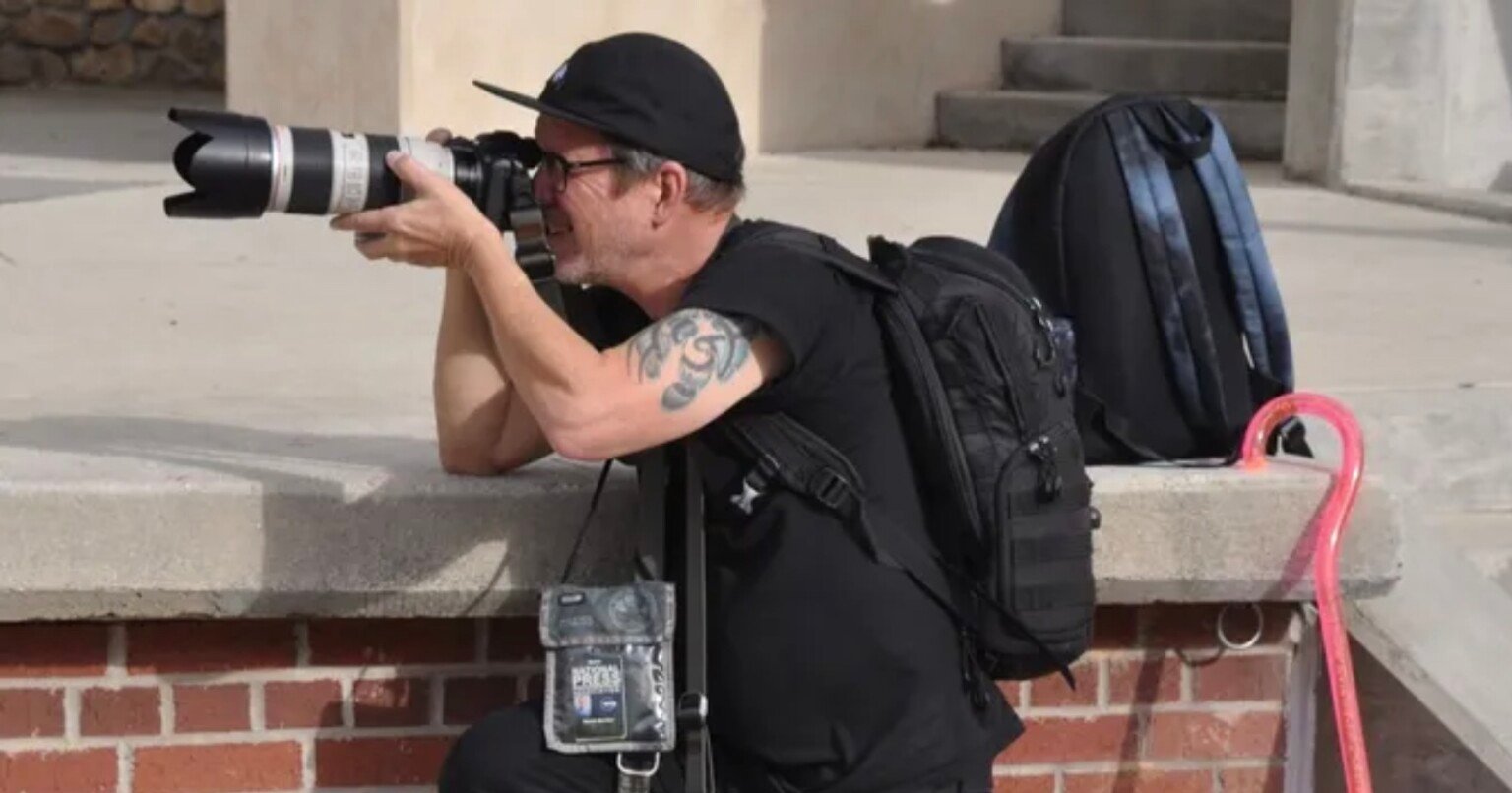
Press Freedom Threatened at Miami ICE Protest
November 24, 2025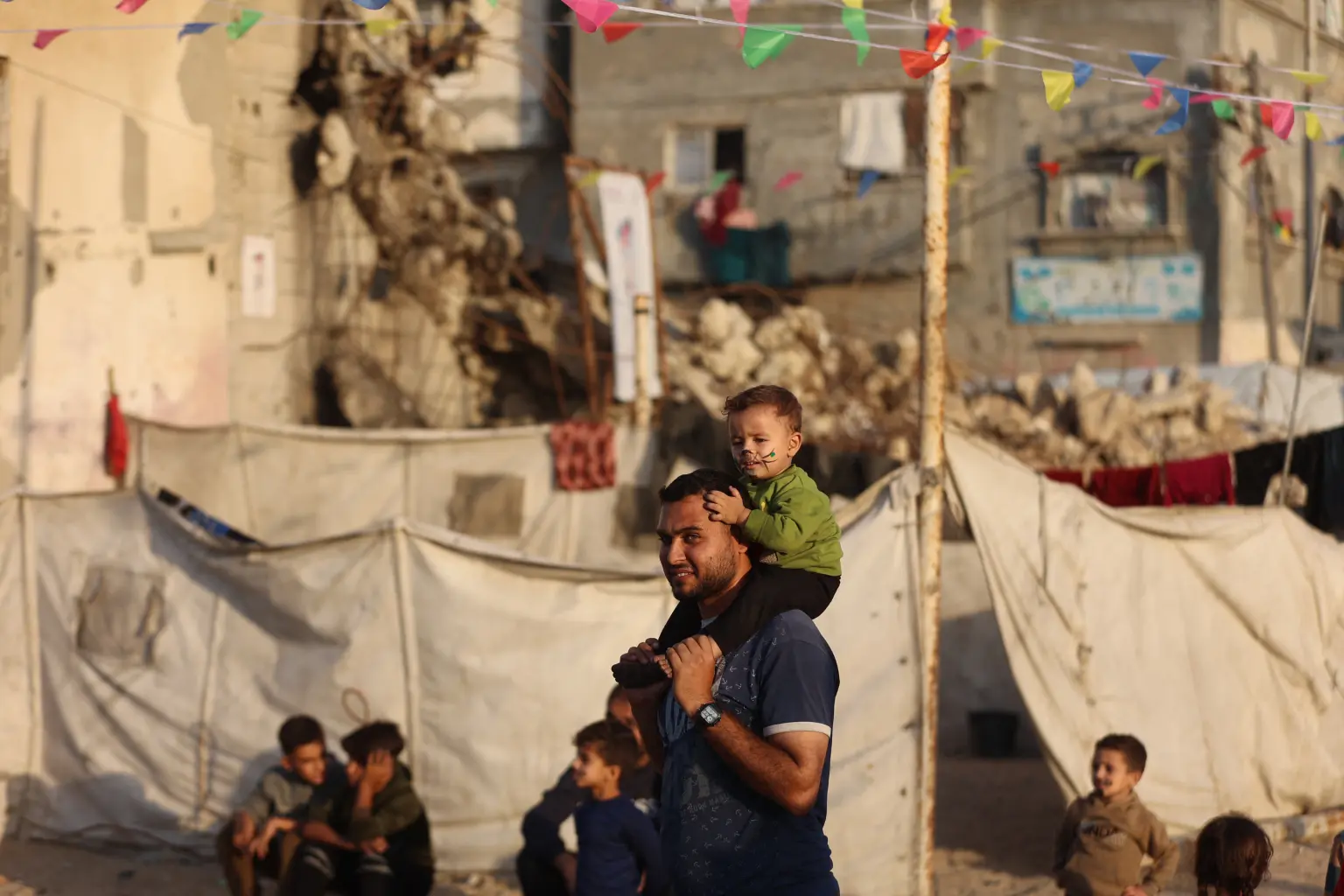
November 24, 2025 – Palestine –
A heated controversy has erupted after Motasem Ahmad Dalloul, a Gaza-based journalist, was publicly accused of being a “fake reporter” by the Israeli Foreign Ministry. On November 23, 2025, the ministry shared a post citing a newly introduced location-tagging feature on X, claiming that Dalloul’s account was flagged as posting from Poland rather than the Gaza Strip and that, therefore, his reporting could not be trusted.
In response, Dalloul released a video filmed inside Gaza — near what remains of his home in the Zeitoun neighborhood — in which he challenged the allegations. He invited viewers to compare the destroyed buildings and displacement camps visible in the footage to anything they might recall from Poland.
Dalloul explained that he had been forced to rely on an international SIM card — specifically from a Polish provider — because Israeli bombardments had destroyed much of Gaza’s local communications infrastructure. That technical necessity, he said, caused the new X tool to register his location incorrectly.
His ordeal casts light on deeper problems with relying on algorithmic or automated tools to verify journalists’ presence in conflict zones. The new X location tool has already exposed numerous accounts falsely claiming to represent Gaza residents or war-torn families, often soliciting donations or spreading misinformation. Many of those accounts turned out to be based abroad.
Yet the case of Dalloul underlines how such tools can also misidentify legitimate correspondents forced to rely on unconventional connectivity — especially in crisis contexts where infrastructure is destroyed. Journalists and digital-rights observers warn that misinterpreting location data in this way carries serious risks for press freedom and for the safety of frontline reporters.
The episode underscores an urgent need for media organizations and social-media platforms to adopt more nuanced verification methods. In conflict zones, where connectivity may depend on foreign SIM cards or satellite links, location tags alone cannot reliably establish where a reporter actually is. At a time when war reporting is essential for global awareness, mislabelling credible journalists as impostors erodes trust and endangers lives.
Reference –


