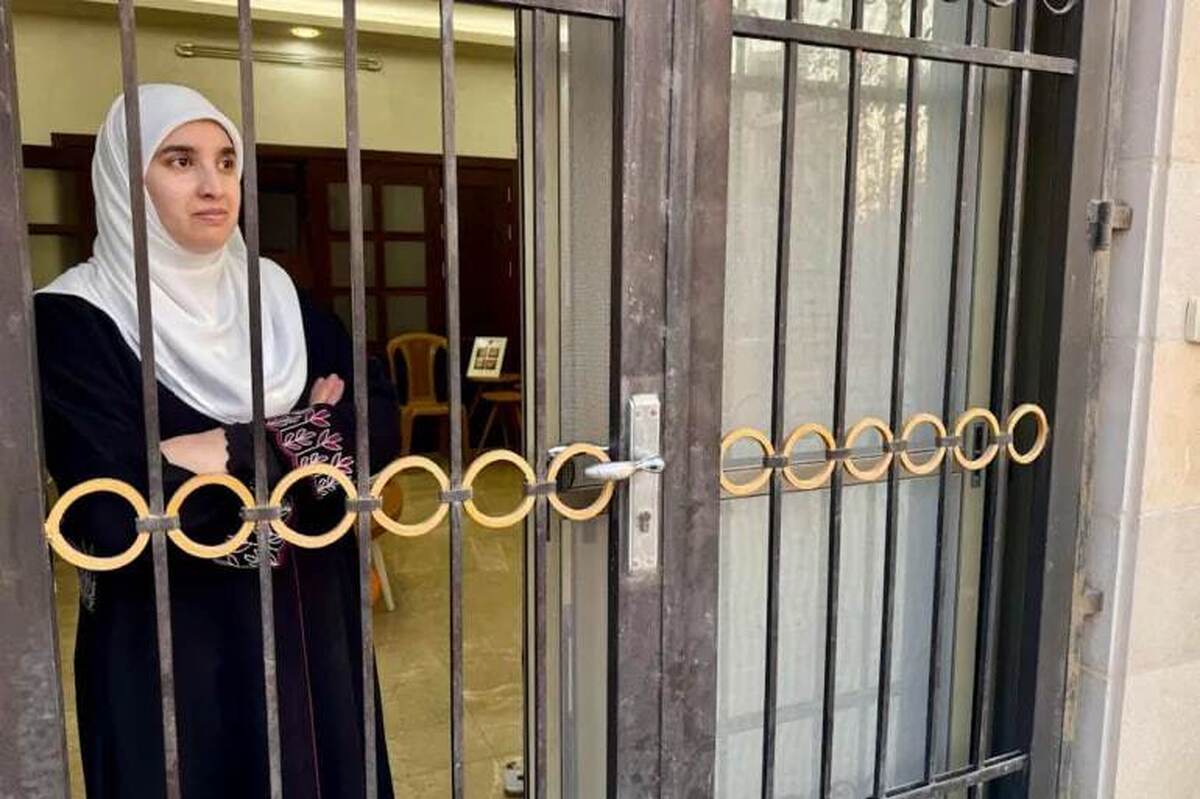
Journal Under House Arrest in West Bank
November 24, 2025
Violation Toll in Ukraine: 868 Attacks on Journalists Since Russian Full-Scale Invasion
November 24, 2025
November 24, 2025 – Brazil –
Journalists across Brazil have voiced strong alarm after remarks by retired Army Colonel Márcio Saldanha Walker, delivered on November 14, 2025, at a public-security event in the state of Alagoas. During the event, the colonel suggested that authorities should “summon” reporters for questioning or that state intelligence services should “explore the lives” of journalists — comments widely interpreted as a threat to media freedom.
The statements triggered immediate condemnation from major press-journalist organisations, including Sindjornal (the Union of Professional Journalists of Alagoas) and Fenaj (the National Federation of Journalists), both of which described the colonel’s remarks as a serious assault on democratic rule and a dangerous flirtation with authoritarian repression.
The regional government of Alagoas also joined the backlash, publicly repudiating the colonel’s statements. A government notice condemned the rhetoric as incompatible with democratic institutions and reaffirmed its commitment to protecting press freedom.
The reactions reflect deep concern that the comments by a former military officer — advocating intrusive surveillance and potential intimidation of journalists — risk undermining the security and independence of press work. Media rights defenders warn that such rhetoric may erode trust, embolden harassment or even pave the way for judicial or extrajudicial actions against journalists.
This incident comes against a broader backdrop of growing pressure on media professionals in Brazil, where legal and institutional mechanisms have in recent years increasingly constrained independent reporting.
The strong unified response from journalist associations and government authorities provides a measure of reassurance. However, many observers stress the need for concrete safeguards: explicit legal protections for press workers, prohibition of intimidation tactics, and rejection of any institutional endorsement of threats or surveillance. Without such guarantees, the independence of Brazilian journalism — and with it, the health of the country’s public sphere — remains at risk.
Reference –
Brazilian journalists outraged by reserve Army colonel’s statements they view as threat to democracy