

Silencing the Atrocity: Structural Barriers to Truthful Reporting on Gaza
November 17, 2025
A New Danger for Women Journalists in Somalia
November 27, 2025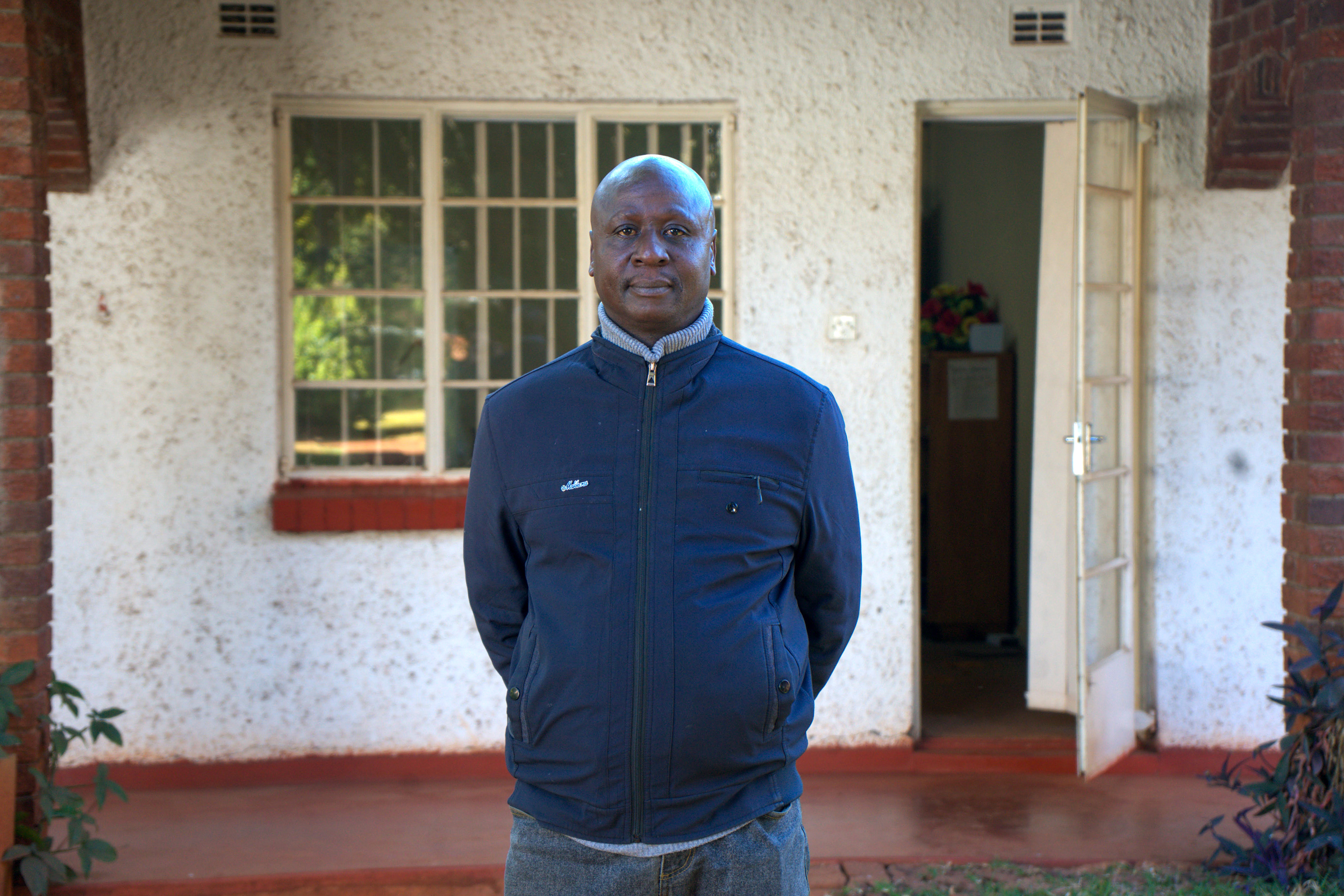
China has extended its repression of environmental journalism beyond its borders, targeting reporters covering Chinese-funded infrastructure projects in Africa and elsewhere. Drawing on investigative work from both the Society of Environmental Journalists (SEJ) and Inside Climate News (ICN), the post details the mechanisms of intimidation, the risks faced by reporters, and the broader implications for press freedom and environmental transparency.
Scope and Methods of Suppression
Inside Climate News reports that journalists exposing environmental degradation linked to Chinese overseas build-out under the Belt and Road Initiative (BRI) have faced surveillance, threats, and criminalisation. The SEJ piece likewise confirms that reporters working on Chinese-financed mining, ports, and rail projects in Africa have been subjected to harassment by state security, including forced interrogation and unlawful detention.
Case Example
In Zimbabwe, veteran investigative journalist Tawanda Majoni was prodded with unmarked-car tailing, frequent anonymous phone calls, and an interrogation by a police unit where a dossier in Mandarin had his photo at the top — all following his exposé of Chinese mining projects. The sequence suggests coordination between local enforcement and Chinese interests to stifle investigative reporting.
Mechanisms of Control and Pressure
Key tactics identified include (1) digital surveillance and interception of communications, (2) use of local security forces to intimidate and restrict movement, (3) criminal charges such as “inciting rebellion” to silence dissenting coverage, and (4) economic and editorial pressure on media outlets covering Chinese projects. Through these means, China’s reach affects journalists far beyond its territory, aligning with documented patterns of extraterritorial censorship.
Broader Implications
This transnational suppression has significant ramifications for environmental governance and democratic oversight. When journalists cannot safely report on state-backed extractive ventures, communities lose visibility on ecological harm, governance fails, and powerful actors escape accountability. The repression of environmental reporters thus becomes part of a larger authoritarian wedge in global information flows.
Recommendations for Media and Advocacy
To protect journalists covering China-linked environmental issues, the research suggests: enhanced digital and physical security protocols for reporters; international monitoring of suppression efforts tied to Chinese business-state interests; funding support for independent media in affected regions; and amplification by global press-freedom organisations of the extraterritorial dimension of China’s media influence.
Reference –
https://www.sej.org/headlines/how-china-silences-environmental-reporters-beyond-its-borders
How China Silences Environmental Reporters Beyond Its Borders