

TJC Project Wins Two Anthem Gold Awards and a Shorty Bronze Honor
November 20, 2025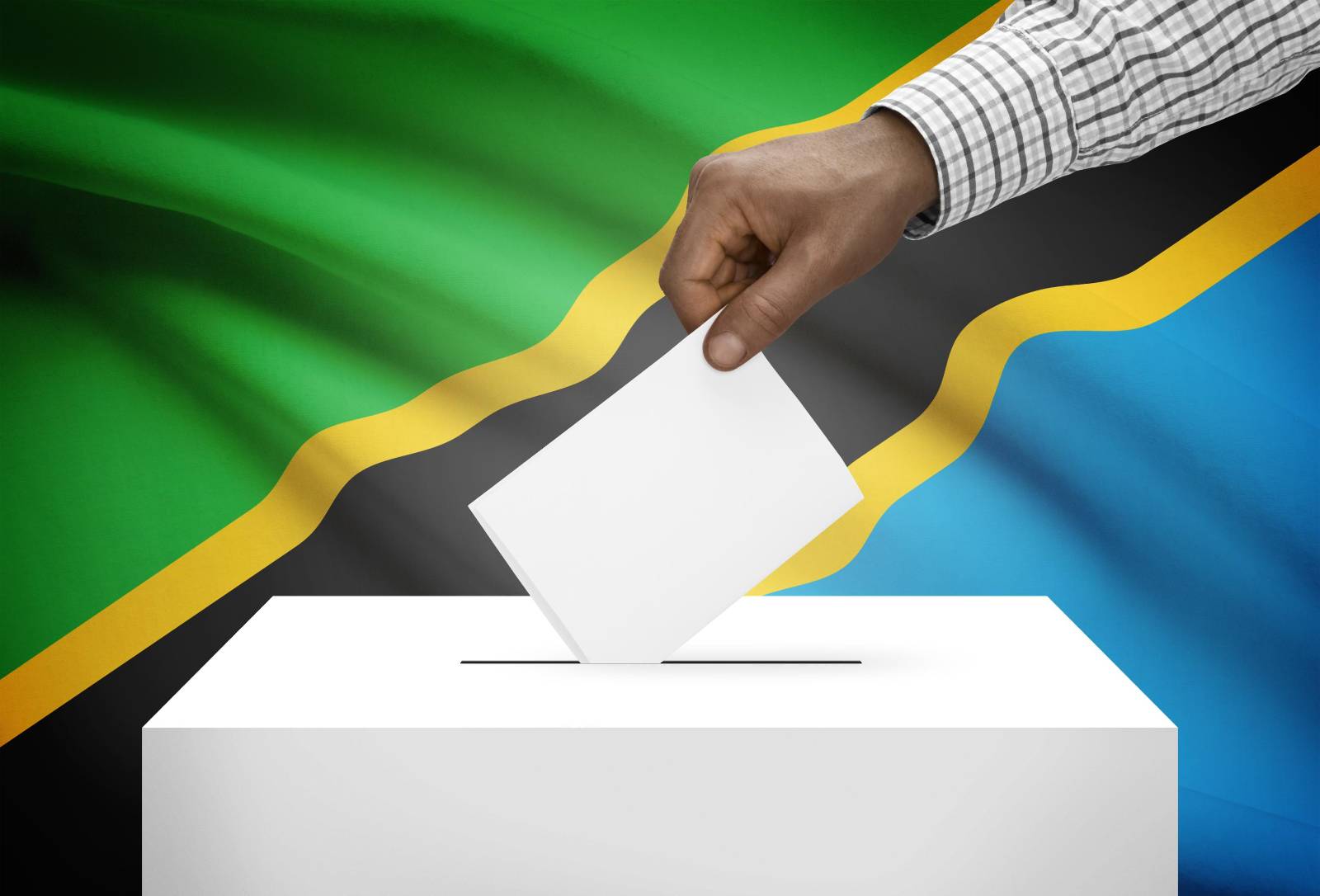
Journalists Targeted Amid Tanzania’s Post-Election Repression
November 21, 2025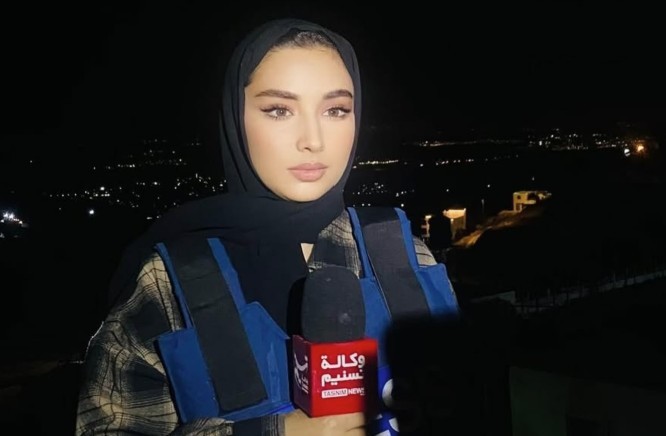
November 21, 2025 – Palestine –
In Israel’s occupied West Bank, Palestinian journalist Farah Abu Ayyash has quietly endured more than 100 days of detention without formal charges by Israeli authorities. According to a letter delivered through her lawyer, Hassan Abbadi, her conditions behind bars have been deeply disturbing. She reports enduring prolonged isolation, sleep deprivation, physical abuse, and relentless humiliation at the hands of Israeli soldiers.
Abu Ayyash’s ordeal underscores what press-freedom advocates say is a wider deterioration of rights for journalists operating in the Gaza war’s shadow and the occupied territories. Media workers and civil society groups warn that the indefinite detention of a journalist without charge sends a chilling signal about the risks for reporters covering the conflict.
As described in her letter, Abu Ayyash was initially held under tight security and deprived of meaningful contact with legal counsel. Her confinement included forced standing and stress positions, exposure to loud interrogation noises and bribery attempts, and a near-constant sense of threat. The treatment reportedly left her with lasting physical and psychological trauma.
Legal-rights observers point to the absence of clear charges or an open trial date as emblematic of Israel’s broader security detention regime, under which administrative detention powers allow confinement without formal indictment for extended periods. These mechanisms provoke concerns over due-process guarantees and transparency. In Abu Ayyash’s case, the lack of prosecutorial movement or information has fostered deep frustration among advocacy groups.
The journalist’s detention comes amid some of the most intense phases of the war in Gaza and expanded operations across the West Bank. Observers say that journalists in the region face heightened risks of arrest, harassment, and violence, and that international attention remains critical to ensuring accountability. Abu Ayyash’s family, colleagues, and human rights bodies are now calling on the Israeli authorities to either bring formal charges, grant immediate access to a fair legal process, or release her without further delay. Critics argue that failure to act threatens not only one reporter but the broader environment in which independent journalism must operate.
Reference –
https://documentprisoners.palestine-studies.org/sites/default/files/pdf/Testimonies/vv.pdf


