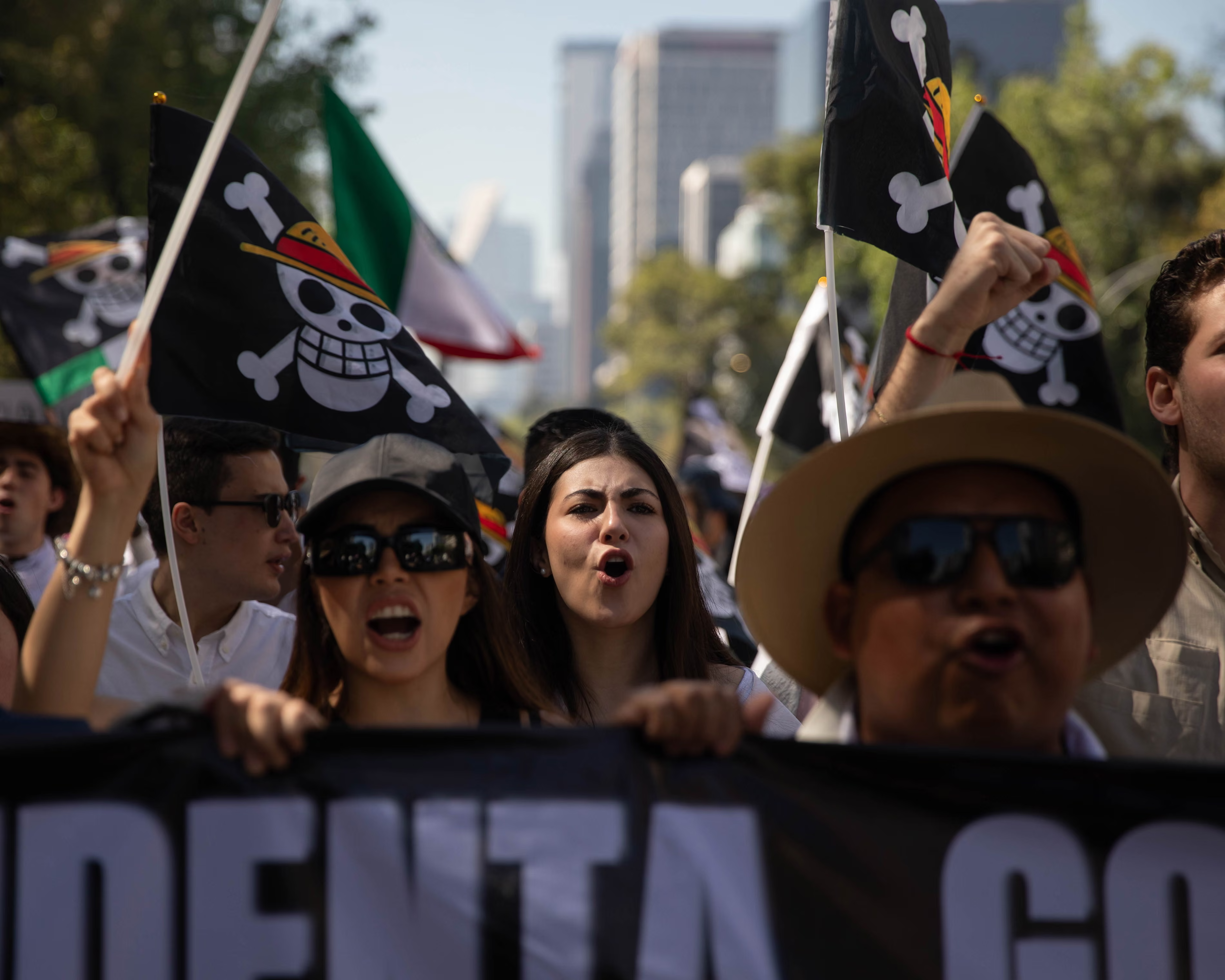
Journalists Caught in the Crossfire of Mexico’s Gen Z Uprising
November 17, 2025
Israeli Journalist Under Fire After Exposure of Prisoner Abuse
November 18, 2025
November 18, 2025 – USA –
In a recent series of exchanges, Donald Trump aggressively targeted journalists following probing questions about major public-interest issues, highlighting concerns about press freedom and the safeguarding of reporters’ roles in accountability.
On November 14, 2025, aboard Air Force One, Bloomberg correspondent Catherine Lucey asked Trump why he was resisting the release of files relating to Jeffrey Epstein, given assertions of no incriminating material. Trump responded with the directive “Quiet. Quiet, piggy,” as captured in video footage. The White House later defended the remark by citing purported unprofessional conduct by the reporter, but provided no evidence. Media observers and advocacy groups condemned the insult as gender-based and detrimental to the role of women journalists covering high-stakes issues.
Just days later, on November 18, in the Oval Office during a meeting with Saudi Crown Prince Mohammed bin Salman, Mary Bruce of ABC News asked about the U.S. intelligence community’s conclusion that the crown prince approved the murder of journalist Jamal Khashoggi. Trump interrupted and dismissed the question, calling it embarrassing for his guest, declaring “things happen,” and declaring Bruce and her network “fake news” while suggesting the broadcast licence could be revoked. This incident underscores an alarming tightening of space for critical journalism at the intersection of U.S. foreign policy and media oversight.
Together, these incidents reflect a broader pattern: journalists asking legitimate questions about issues of public interest — from sexual trafficking to extrajudicial killings — are met with personal attacks, efforts to delegitimise their work, and threats against their institutions. The juxtaposition of name-calling aboard Air Force One and institutional pressure on a news network following an international diplomatic moment signals increasing peril for press independence. The message reaches beyond the individual reporters: it serves as a deterrent to others who seek to hold power to account. The cumulative effect may erode the capacity of the press to function freely, particularly when implanted within contentious political environments with global implications.
Reference –
https://www.nytimes.com/2025/11/18/business/media/trump-reporter-khashoggi-saudis.html
https://www.theguardian.com/us-news/2025/nov/18/trump-calls-reporter-piggy-bloomberg