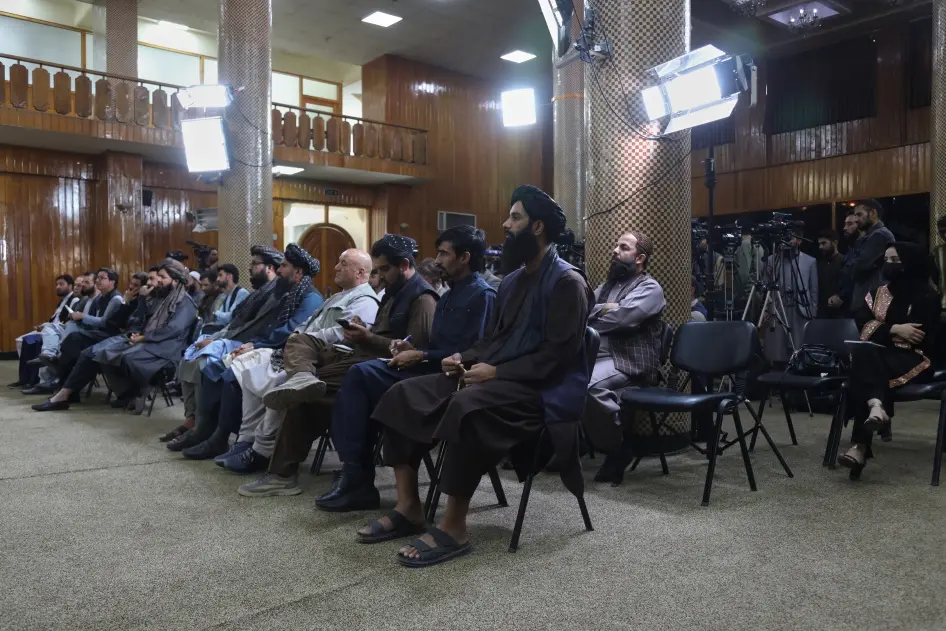
Media Freedoms in Afghanistan Under Siege
October 24, 2025
How China’s Global Reach Silences Environmental Journalists
November 25, 2025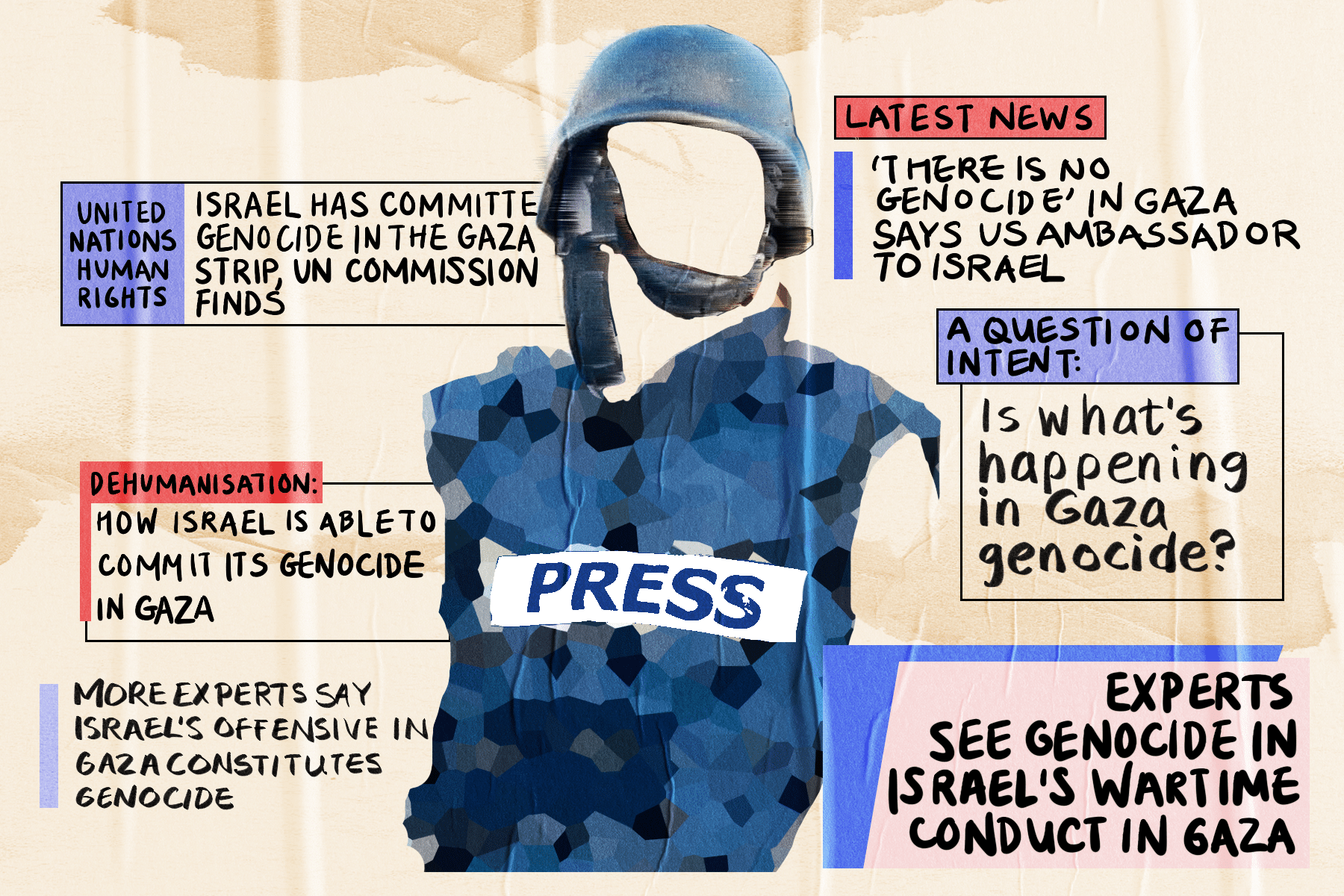
Mainstream reporting on Gaza continues to draw scrutiny as scholars, media-freedom advocates, and journalists themselves question why coverage fails to convey the full scale of the humanitarian catastrophe. The article from Clarion India forms part of a broader research conversation on structural media bias, examining how political pressures, editorial norms, and restricted access collectively constrain truthful reporting.
The first issue highlighted is the systemic framing within major Western newsrooms. Research on conflict journalism consistently shows that institutional routines tend to favour state narratives, especially those aligned with Western geopolitical interests. In the Gaza context, this means Israeli official statements are given disproportionate weight, while Palestinian testimonies are treated as secondary or unverifiable. Such asymmetry results in a diluted representation of violence, where the destruction of homes, hospitals, and refugee camps is described through technical or euphemistic terminology rather than as evidence of potential atrocity crimes.
A second factor is the severe limitation on journalistic access. Since foreign reporters have been barred from entering Gaza independently, global audiences rely heavily on local Palestinian journalists, who are themselves facing unprecedented levels of danger. As the article notes, the absence of international media oversight allows governments to shape the narrative, controlling what information emerges. Academic studies on “information blockades” in conflict zones show that such restrictions lead to under-reporting of casualty numbers, impede verification of war-crime allegations, and reduce visibility of civilian suffering.
Editorial caution also plays an important role. The article argues that news organisations often self-censor by avoiding legally charged terms such as “genocide,” even when indicators align with internationally recognised criteria. Research in media ethics suggests that this hesitation stems from a fear of political backlash, accusations of bias, or threats to institutional credibility. Yet this restraint can distort public understanding, presenting disproportionate force and large-scale civilian deaths as part of a symmetrical conflict rather than as patterns requiring legal scrutiny.
Finally, the piece stresses the moral implications of journalistic silence. In conflict reporting literature, withholding critical context is understood not as neutrality but as enabling impunity. The article urges a shift toward people-centred reporting, prioritising the testimonies of those most affected and resisting narrative control imposed by states and military authorities.
Reference –
Why Journalists Won’t Tell You the Truth About the Genocide in Gaza