Accuracy Must Outpace Speed in Modern Journalism
November 16, 2025
Relentless Pursuit of Accountability for Journalist Viktoria Roshchyna
November 17, 2025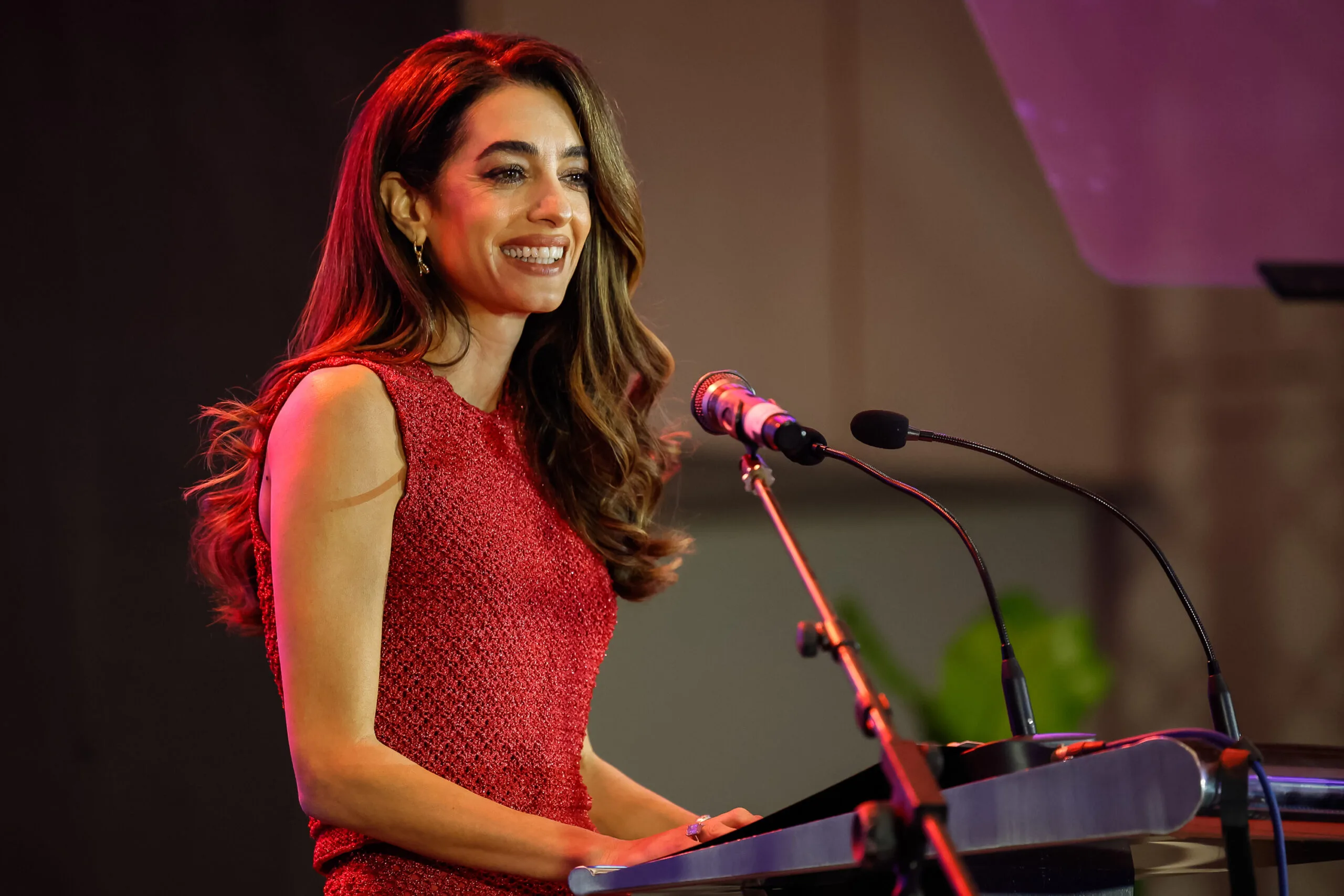
November 16, 2025 – Philippines –
At the annual Rappler Social Good Summit in Manila, prominent human-rights lawyer Amal Clooney announced the launch of a new initiative focused on expanding legal assistance to women journalists and media professionals in Southeast Asia. During her keynote address, she stressed that access to justice is essential for protecting press freedom and ensuring that critical reporting by women can continue in the face of increasing threats and harassment.
Clooney outlined that the project will partner with local media organisations and legal aid groups to establish a regional support network for female reporters. She said that the plan includes providing pro-bono legal representation, training in digital security and rights protection, and funding for cases where journalists face legal action or intimidation. She cited the persistent global challenges women in journalism face—from online harassment and defamation lawsuits to physical threats and institutional marginalisation.
In her remarks, Clooney noted that her own work on behalf of journalists and human-rights defenders has shown the need for structural protections and collective advocacy. She referred to examples of women journalists who, because they lack legal recourse or support networks, are forced to self-censor or exit the profession altogether. She said: “Supporting women journalists is not just a matter of equity—it is a cornerstone of a free, accountable media environment.”
Rappler’s founder, Maria Ressa, welcomed the initiative as timely and necessary, pointing to the Philippines and the broader region’s precarious press-freedom environment. She noted that the summit’s theme—“Media as a Force for Good” —resonates more strongly when women journalists are empowered to report safely and independently.
For the “Targeting Journalists is a Crime” project, the announcement represents a meaningful step in addressing the gendered dimensions of journalist targeting. It underscores the need to view legal protection, digital safety, and institutional support as integral parts of safeguarding media workers—especially women—who continue to serve as front-line truth-tellers.
Reference –