Journalists Recall Torture and Flight From El-Fasher Siege
November 13, 2025
TV Globo Producer Assaulted While Reporting in Brasília
November 13, 2025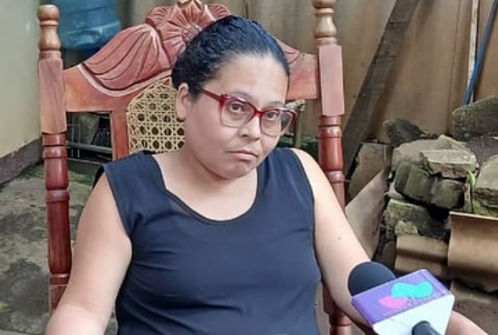
November 13, 2025 – Nicaragua –
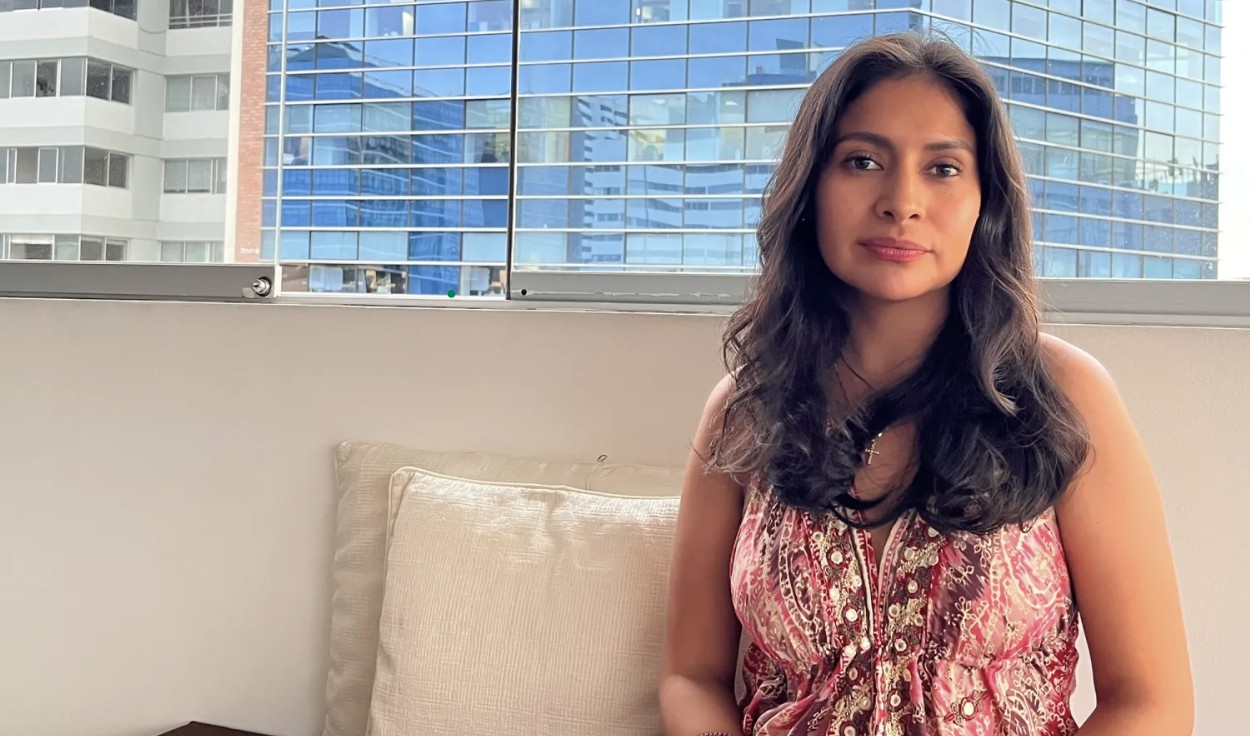
After sixteen months entirely off the public radar, Nicaraguan journalist Fabiola Tercero reappeared on 11 November, stating on pro-government media in the presence of her mother. The broadcast claimed she had remained at home the entire time, but press freedom watchdogs say the circumstances raise serious concerns about her autonomy.
Tercero and her mother, Rosalina Castro García, declared that Tercero was “healthy” and had never been missing. In a segment aired on state-aligned channels, Tercero stated, “Here I am, with my mother, and thank God I’m healthy at the end of the day, just a little bit of depression and anxiety,” and emphasized that she had been at home the whole time.
Her disappearance began on 12 July 2024, when she warned close contacts that at least seven members of the national police force had raided her home, naming three officers, including the commissioner who led the operation. After that call, no public information surfaced about her or her family for over a year.
The reappearance has been met with scepticism by independent media and press advocacy groups. Many view her televised appearance as a “proof of life” manoeuvre by the Daniel Ortega regime, rather than a genuine disclosure of her whereabouts or condition. The video shown online displayed obvious signs of editing and featured an off-camera voice prompting Tercero during her remarks.
Tercero’s case sits within a broader pattern of repression against independent journalism in Nicaragua. She has not been officially listed among the 135 political prisoners released in September, and there is no public record of her transfer to the women’s prison “La Esperanza,” where other detained dissidents are held.
Press freedom organisations are demanding clarity regarding her status, calling for transparent information on whether her statement was made freely and without coercion. They argue that until full access and contact with the journalist are restored in an independent way, concerns about her liberty and safety remain valid.
Reference –