Jailed Georgian Journalist Mzia Amaglobeli Named Laureate of 2025 Free Media Award
September 9, 2025
Travel Ban Imposed on Turkish Journalist After Column on E-Signature Data Breach
September 9, 2025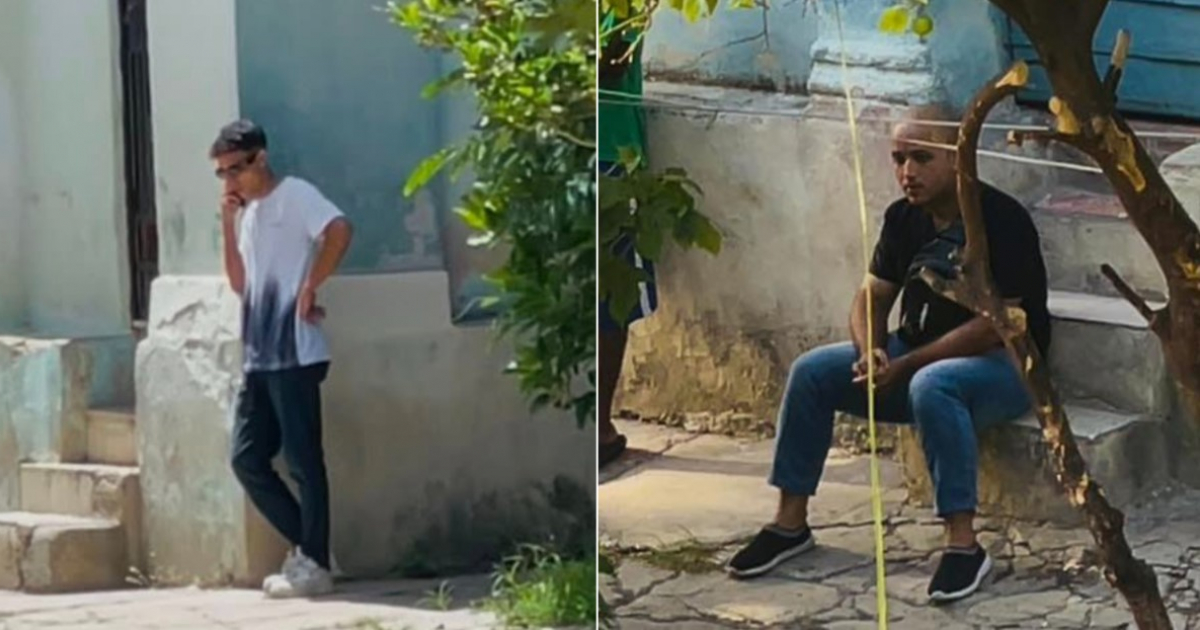
September 09, 2025 – Cuba –
Independent Cuban journalist Camila Acosta revealed on September 7–8, 2025, that her home in Havana has been under continuous surveillance by two agents from Cuba’s State Security, known as G2. In a post on her Facebook profile, she shared photographs of the agents and a nearby patrol car, which—according to friends and neighbors—is poised to detain her should she attempt to leave her home.
Acosta described the agents in detail: one, a young man wearing a white sweater and likely no older than 22, appeared keen to create an impression—introducing himself to neighbors as a State Security operative. The other, bald and more seasoned, has featured in similar operations before and likewise identified himself as an agent.
She recounted how she photographed them while walking to buy groceries—covering less than a block—at which point they immediately shadowed her, closely monitoring her movements. When they noticed she was documenting their presence, the bald agent walked away, while the young one attempted a ruse, pretending to be on a phone call and acting as though waiting for someone, but their performance proved clumsy and easily observed.
Acosta underscored the broader significance of this repression, noting that it coincides with symbolically important dates in Cuba, suggesting the surveillance is part of a deliberate pattern of intimidation. She linked this pressure to the country’s deepening social crises, citing persistent blackouts, water shortages in Havana, rising inflation, shortages of food and medicine, and widespread desperation among the population.
On the following day, September 8, she confirmed that the surveillance had continued: a “second consecutive day of surveillance by the Cuban political police” aimed at preventing her from leaving her home, she wrote.
This incident forms part of a systemic practice by Cuban authorities: independent journalists, activists, and dissidents are frequently targeted with surveillance, house arrests, and restrictions on movement—especially during politically sensitive periods or when their involvement in public activity is anticipated.
Reference –
Cuban journalist Camila Acosta reports she is being surveilled outside her home