IAPA Condemns Death Threats Against Haitian Press Freedom Advocate Joseph Guyler C. Delva
September 9, 2025
Jailed Georgian Journalist Mzia Amaglobeli Named Laureate of 2025 Free Media Award
September 9, 2025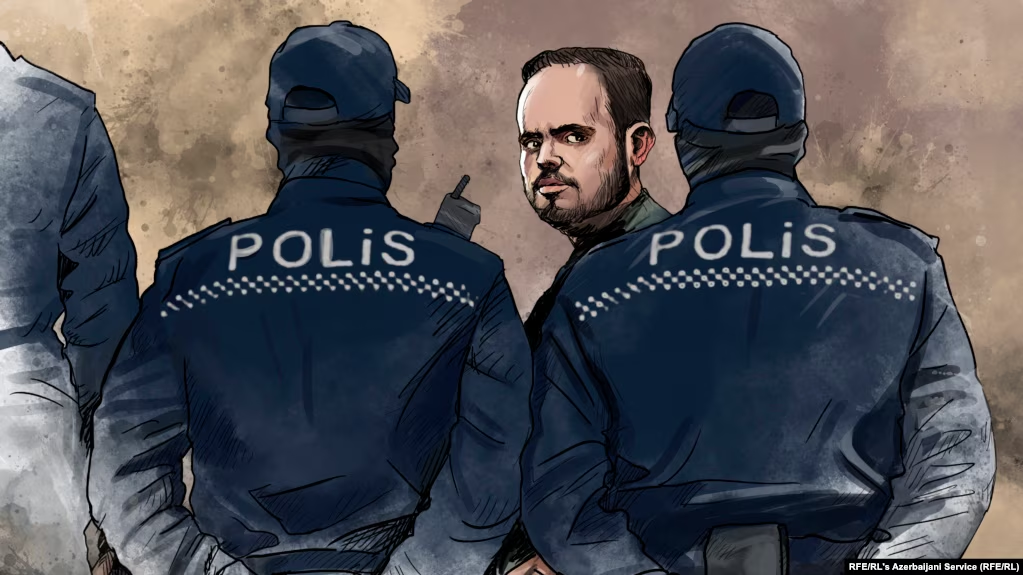
September 09, 2025 – Azerbaijan –
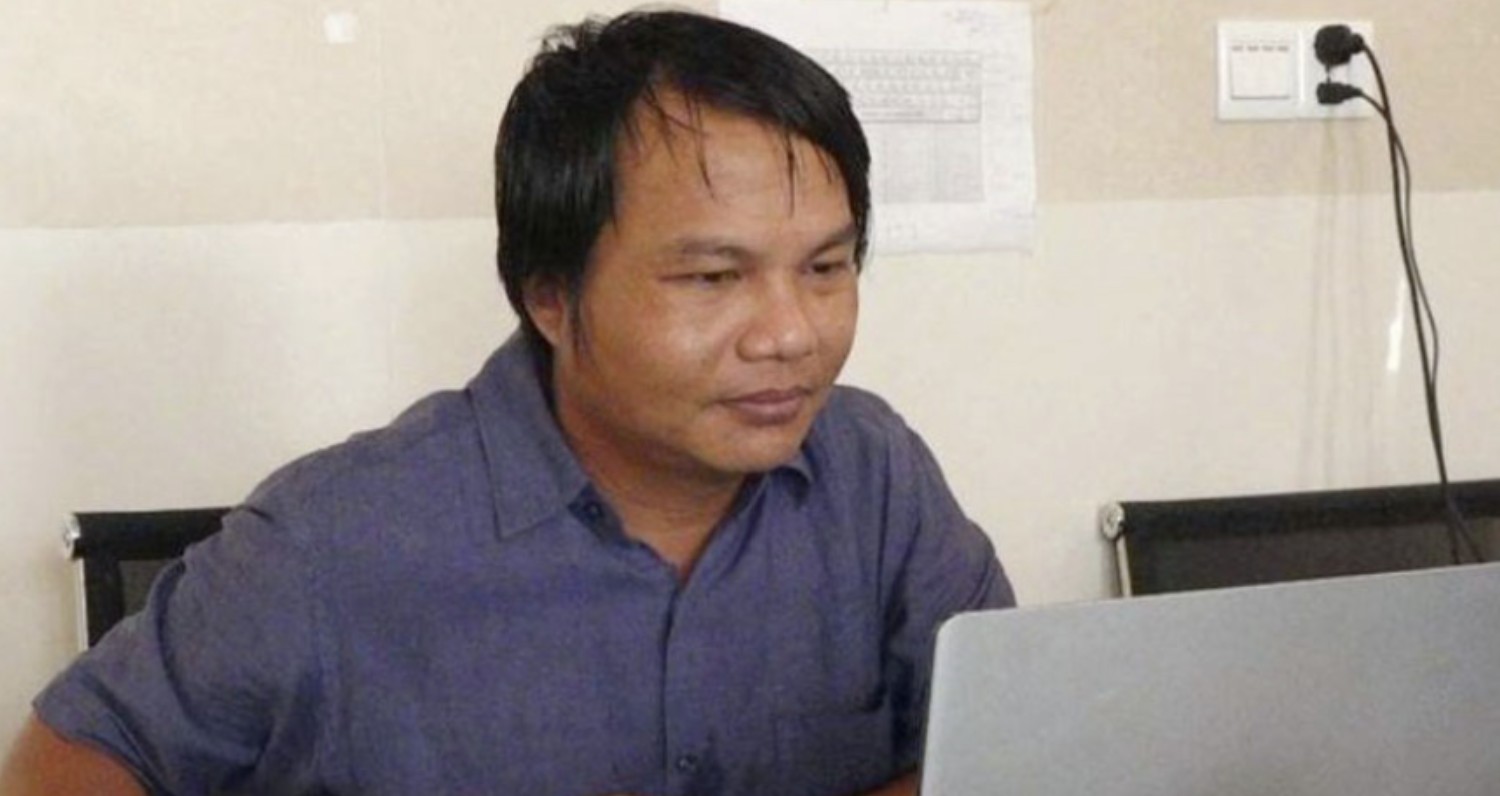
Azerbaijan’s Baku Court of Serious Crimes upheld the nine-year prison sentence against Farid Mehralizada, a journalist and economist working with Radio Free Europe/Radio Liberty’s Azerbaijani Service (Azadliq Radiosu). The decision rejected his appeal and solidified one of the harshest penalties handed down against independent media in the country. Mehralizada had been arrested in May 2024 on charges of smuggling, tax evasion, and forgery. From the beginning, he and his colleagues insisted the allegations were fabricated to punish him for investigative reporting that challenged the government’s economic policies and highlighted systemic corruption.
Mehralizada’s conviction was originally delivered on June 20, 2025, in a case that also targeted several other journalists, particularly from the outlet Abzas Media. Their sentences, ranging from seven-and-a-half to nine years, were likewise upheld. All of the defendants consistently denied wrongdoing, describing the charges as politically motivated attacks intended to silence critical reporting. Rights organizations and press freedom advocates, including RFE/RL, condemned the rulings as part of a broader pattern of repression that has steadily eroded independent journalism in Azerbaijan.
The case underscores how the Azerbaijani authorities employ legal mechanisms as tools of suppression. By framing investigative journalists as criminals, the state not only removes dissenting voices from the public sphere but also discourages others from pursuing accountability journalism. International observers point out that Mehralizada’s imprisonment sends a chilling message across the region: exposing corruption or questioning state narratives may result in severe retaliation.
This latest court decision has drawn sharp criticism from global press freedom groups. They argue that Azerbaijan’s judiciary is functioning less as a guardian of justice and more as an instrument of political control. For RFE/RL, which has faced mounting restrictions in the region, the verdict represents both a personal tragedy for a respected colleague and a systemic assault on independent media.
By upholding Mehralizada’s sentence, Azerbaijan reinforces its reputation as one of the most hostile environments for journalists in Eurasia. The ruling highlights a disturbing reality: in a state where legal institutions are bent against free expression, journalism itself becomes treated as a crime.
Reference –