
Belarusian Authorities Use New Spyware to Monitor Journalists’ Phones, Rights Groups Report
December 18, 2025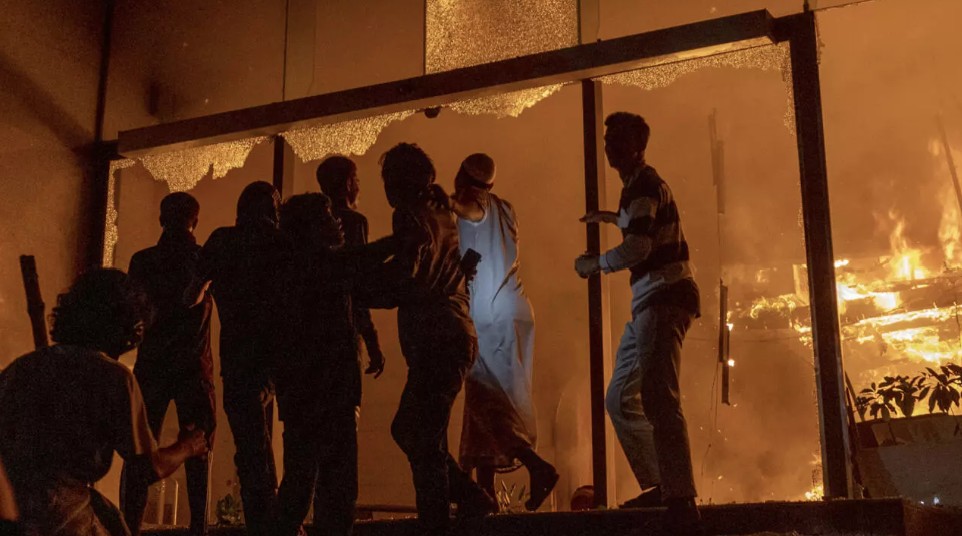
Bangladesh Protests Turn Deadly for Press as Newspapers Torched, Presses Fall Silent
December 19, 2025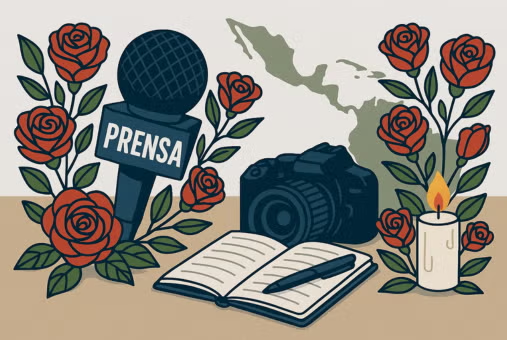
December 18, 2025 – Latin America –
Latin America and the Caribbean have once again been identified as the most dangerous region for journalists working outside active war zones in 2025, according to press freedom analysts and regional reporting. By the close of the year, at least 17 journalists were murdered across the region, a figure that represents more than a quarter of all journalist killings globally outside conflict zones, highlighting persistent threats to media workers covering critical local and national issues.
Reporters Without Borders (RSF) statistics indicate that Mexico accounted for the highest number of these killings, with nine journalists killed in 2025, making it the second most dangerous country in the world for media professionals behind the war-torn Gaza Strip. RSF analysts have linked much of the violence to organised crime and entrenched impunity, arguing that violence against journalists has become a systemic risk that discourages investigative reporting and deepens the culture of silence in areas affected by criminal violence.
Across Latin America, journalists covering crime, corruption, governance, and social issues remain particularly vulnerable to threats, intimidation, and lethal retaliation, often in contexts where protection mechanisms are weak and legal accountability is rare. In several countries, local and community journalists have been targeted after reporting on high-risk subjects, with murders occurring in contexts marked by limited state protection and persistent impunity for perpetrators.
Observers have expressed concern that, while the absolute number of killings may be lower compared with conflict zones, the relative ease with which journalists can be murdered in Latin America reflects deep structural challenges across the region. These include organised crime’s influence over territory and local institutions, social and political instability, and the erosion of protections for independent reporting. Mexico’s continuing status as a global hotspot for journalist murders underscores these pressures, particularly given longstanding patterns of violence and impunity documented over decades
Human rights organisations and press freedom advocates have repeatedly called on national governments and regional bodies to strengthen safety protocols for journalists, ensure rigorous investigations into killings, and tackle impunity by bringing those responsible to justice. Without such measures, the cycle of violence and intimidation that disproportionately affects Latin American journalists risks further eroding press freedom and democratic accountability across the region.
Reference –
https://www.tolerance.ca/ArticleExt.aspx?ID=593599&L=en
In 2025, Latin America again deadliest region for journalists outside war zones