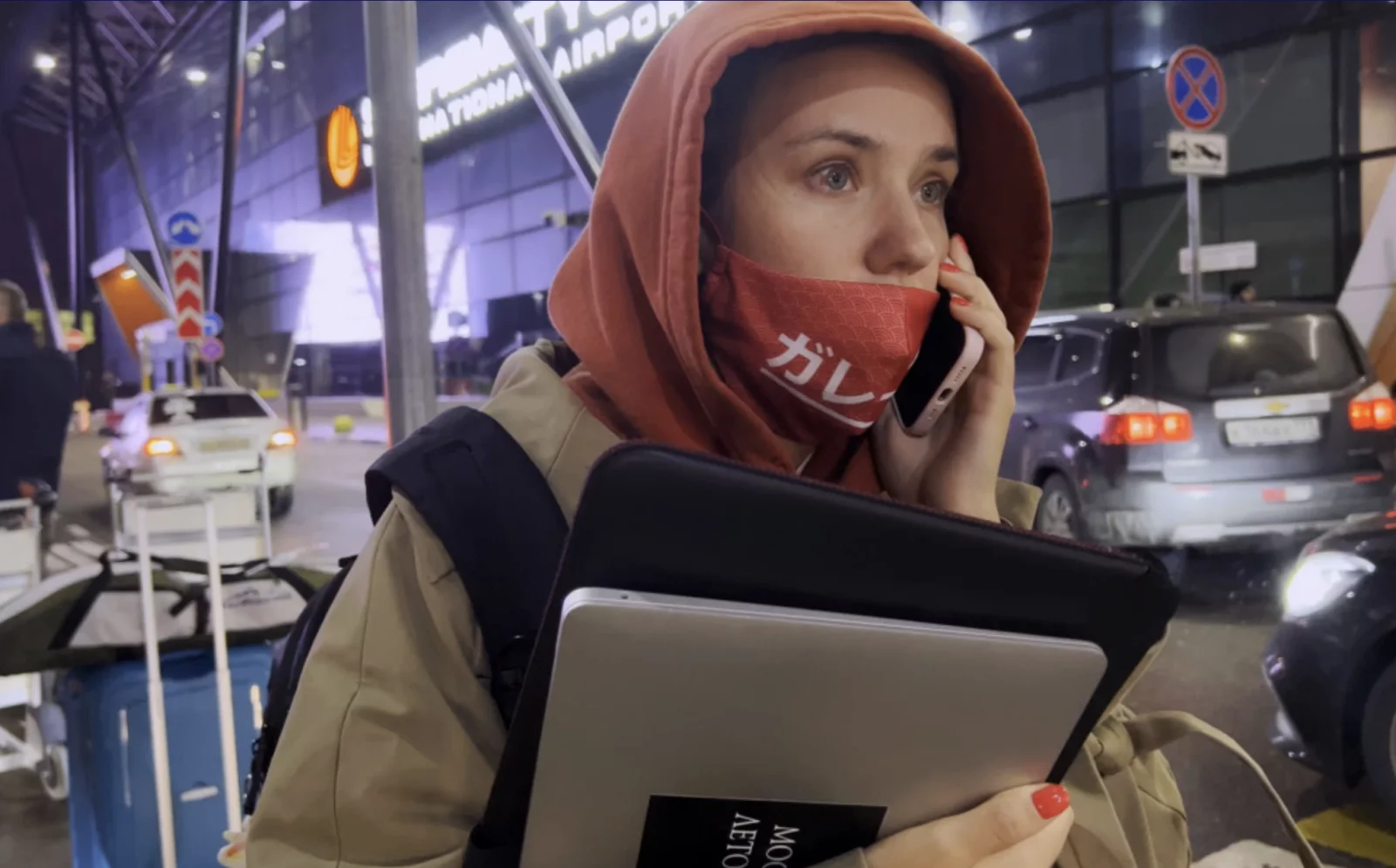
Russia’s Independent Journalists Get a Voice on Screen
November 28, 2025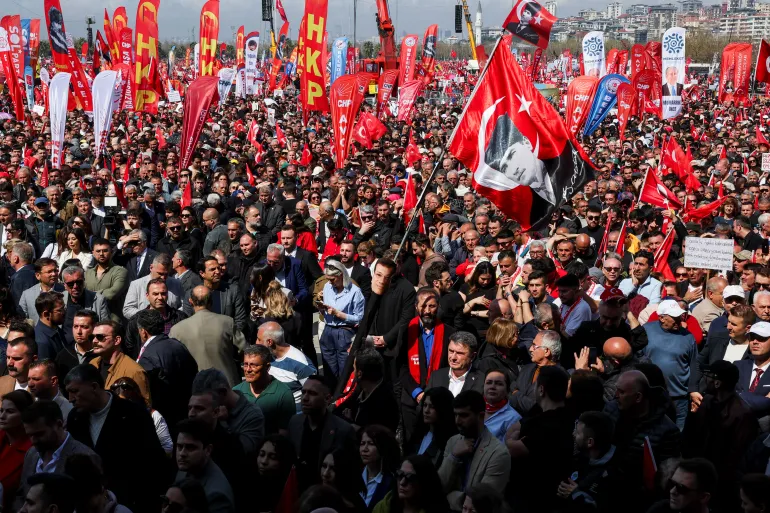
Victory for Press Freedom in Istanbul
November 28, 2025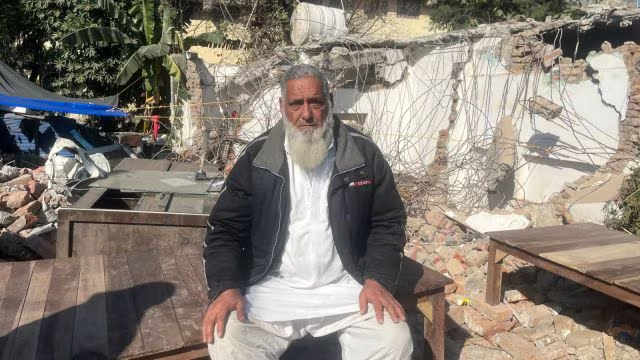
November 28, 2025 – India –
The home of veteran Jammu journalist Arfaz Ahmad Daing in the Narwal area of Jammu was demolished by officials from the Jammu Development Authority (JDA) last Thursday, triggering uproar and sparking a political storm across the Union Territory. Authorities claim the structure sat on government land; the family and neighbours contest that the house was their longtime residence of nearly 35–40 years.
Calls for accountability came swiftly. The region’s Deputy Chief Minister Surinder Kumar Choudhary demanded that JDA clarify who ordered the demolition, warning that responsible officers could face consequences. He framed the act as a breach of due process and insisted that the administration respect the rights of citizens, especially those in the media.
Meanwhile, Chief Minister Omar Abdullah publicly condemned what he described as a “selective” demolition, suggesting it was an attempt to single out a journalist and shift blame onto the elected government. He challenged authorities to release a comprehensive list of all buildings demolished, questioning why only Daing’s home was targeted if the motivation was clearing encroachments.
In a rare gesture of solidarity and communal unity, a Hindu neighbour offered a five-marla plot of land to Daing so he might rebuild. The offer has drawn widespread attention, with many praising it as a sign of social cohesion in the face of apparent intimidation.
With political accusations flying, civil society concerns growing, and a displaced journalist left homeless after decades in his house, the case shines a harsh light on the precarious situation for media workers in Jammu and Kashmir. The demolition drive raises uncomfortable questions about land-use enforcement, state power, and whether speaking truth comes at the price of security and shelter.
Reference –