Italy Establishes National Day to Honour Journalists Killed on Duty, Marking Institutional Recognition of Press Freedom Risks
April 30, 2026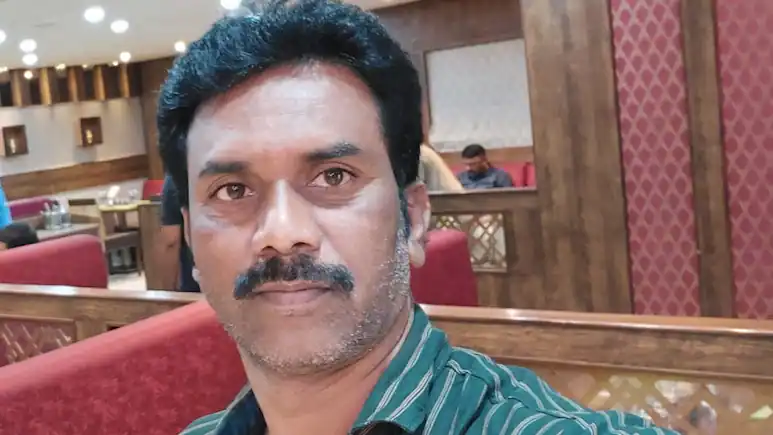
Morning Walk Turned Fatal: ABN Journalist Killed in Chittoor Sparks Press Freedom Concerns
April 30, 2026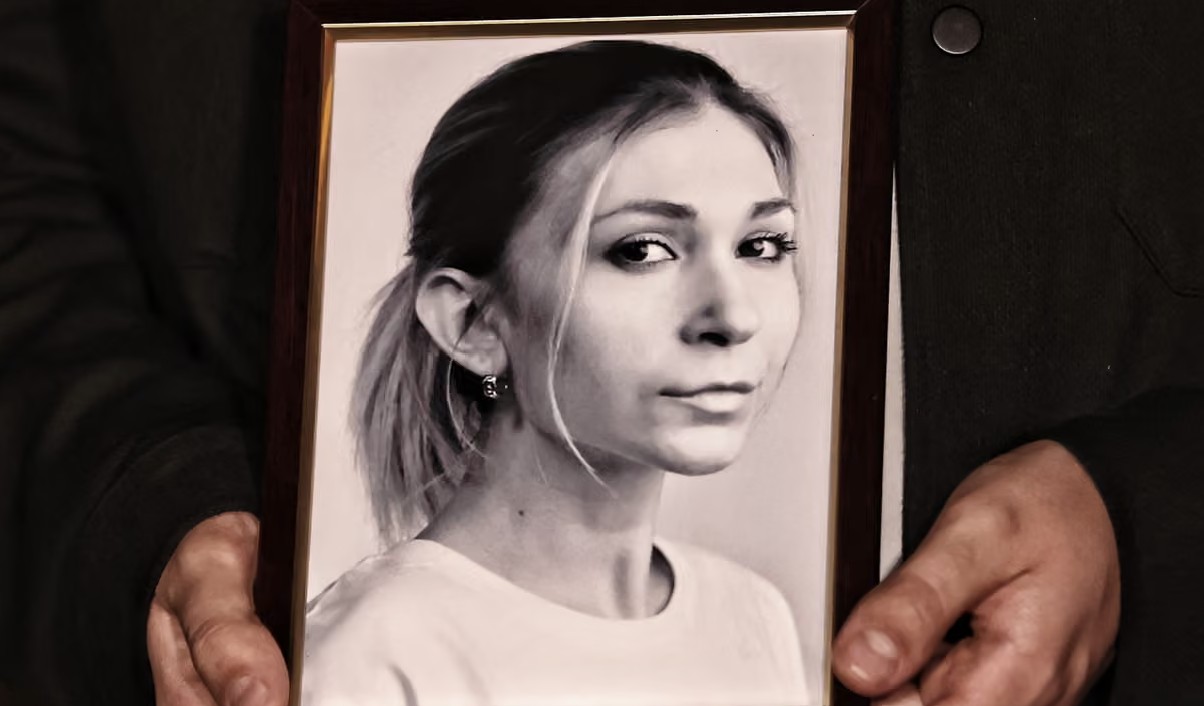
April 30, 2026 – Ukraine/Russia –
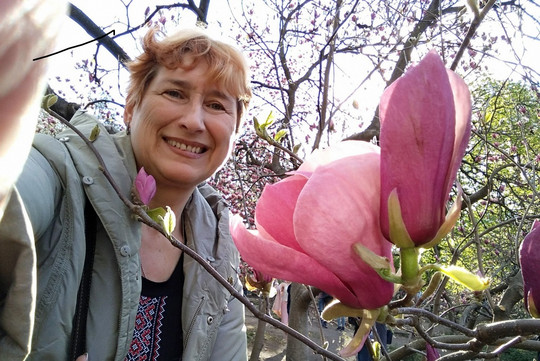
A Guardian commentary examines the case of Ukrainian journalist Viktoriia Roshchyna, who disappeared while reporting in Russian-occupied Ukraine and later died in Russian detention, framing her story as a stark example of the dangers faced by journalists investigating wartime abuses and enforced disappearances.
Roshchyna went missing in 2023 while reporting on alleged detention sites in occupied territories, where Ukrainian civilians were believed to be held incommunicado. Subsequent investigations established that she had been detained by Russian authorities and held in multiple facilities, including a penal colony and the Taganrog detention center in southern Russia.
She died in custody after prolonged detention, with reports indicating she was held without formal charges or access to legal representation. Her case later became part of a cross-border investigative effort led by the Forbidden Stories consortium, which continued her unfinished reporting into secret detention sites and alleged abuses against civilians in occupied regions.
Forensic examinations and journalistic investigations into her remains reported signs consistent with severe mistreatment, including indications of torture and physical trauma, with her body returned in a condition that complicated full determination of cause of death. These findings contributed to international scrutiny and subsequent sanctions against officials linked to detention facilities where she had been held.
The commentary situates her case within a broader pattern of risk faced by journalists covering conflict zones where access is restricted and information is tightly controlled. It emphasizes that reporters working in such environments often become targets themselves when investigating clandestine detention systems, forced disappearances, and alleged war crimes.
It also highlights the role of collaborative investigative journalism networks, which continue reporting on such cases even after the original journalist is silenced. In Roshchyna’s case, multiple international outlets worked together to reconstruct her movements, detention conditions, and the broader system she had been investigating.
The piece further argues that her death illustrates both the personal vulnerability of journalists operating alone in hostile environments and the strategic importance of collective reporting models that distribute risk across international teams while ensuring that unfinished investigations are completed.
More broadly, the case underscores persistent concerns from press freedom organizations about impunity in conflict-related abuses against journalists, particularly in situations where detentions occur outside formal legal frameworks and access to detainees is restricted or denied.
Her story is presented not only as an individual tragedy but as part of a wider structural problem in wartime journalism, where the pursuit of information about hidden abuses can place reporters directly within the systems they are attempting to expose.
Reference –