Citizenship Revoked After Detention: Ahmed Shihab-Eldin Case Raises Alarm Over Gulf Press Freedoms
April 30, 2026
Italy Establishes National Day to Honour Journalists Killed on Duty, Marking Institutional Recognition of Press Freedom Risks
April 30, 2026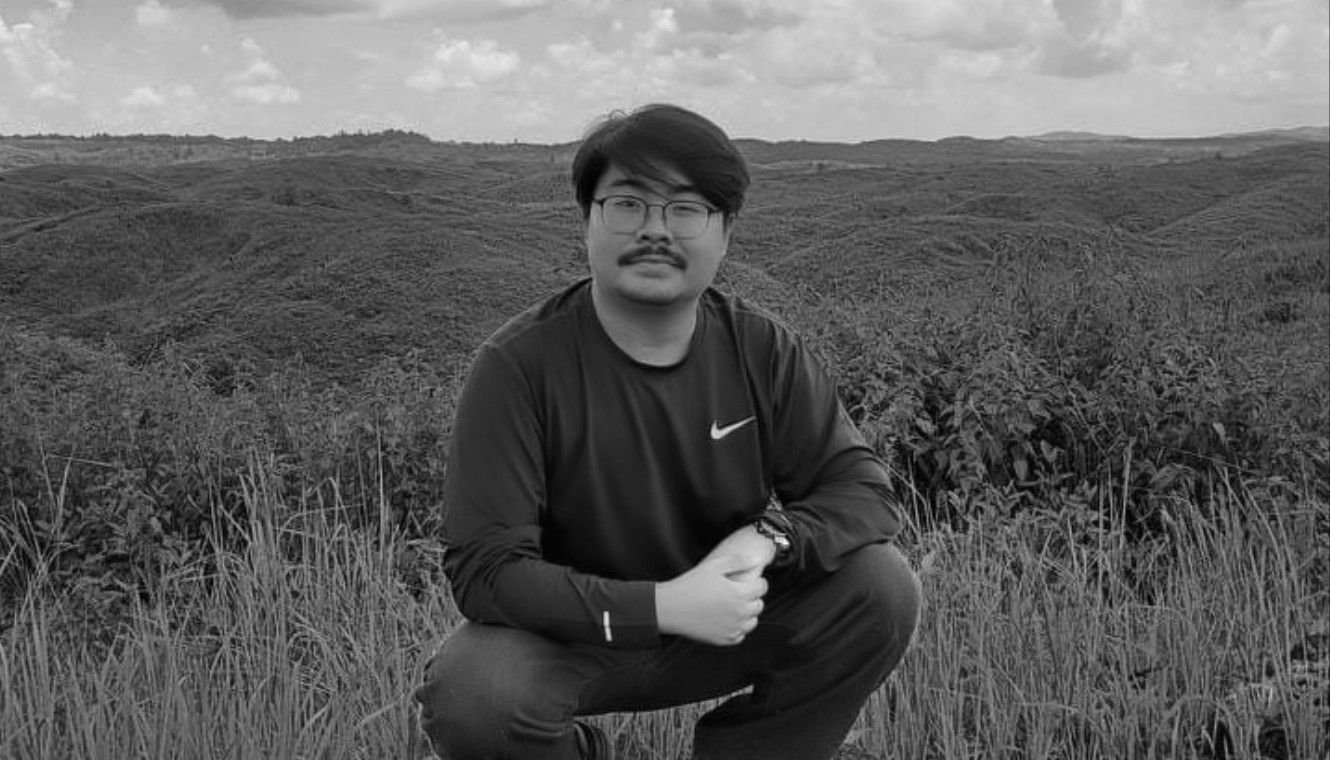
April 30, 2026 – Philippines –
Community journalist RJ Nichole Ledesma has been killed during a Philippine Army anti-insurgency operation in Negros Occidental, in an incident that press freedom groups say underscores ongoing risks faced by reporters working in conflict-affected rural areas.
According to the Committee to Protect Journalists (CPJ), Ledesma was killed on April 19, 2026, during a military operation in Toboso town that targeted alleged members of the New People’s Army and resulted in 19 deaths. Military authorities described the operation as a series of armed encounters, while rights groups and media organizations dispute aspects of the official account.
Ledesma was a writer and editor for Paghimutad-Negros and served as a regional coordinator for the Altermidya Network, a grassroots media organization focused on human rights reporting. Colleagues say he was in the area conducting reporting work on how renewable energy and development projects were affecting farming communities, rather than participating in any armed activity.
Reports indicate that he was not at the initial clash site but was later killed in a separate nearby community during ongoing military operations. This discrepancy has contributed to calls from press freedom advocates for an independent investigation into the circumstances of his death and the broader operation.
Altermidya and allied groups have described Ledesma as a community journalist documenting land issues, labor conditions, and displacement in rural Negros, where tensions between state forces and insurgent groups have persisted for decades. His reporting reportedly focused on how infrastructure and energy projects were reshaping agricultural communities, often placing journalists in proximity to militarized zones.
Human rights monitors and local organizations have called for accountability, emphasizing that the presence of journalists in conflict-affected areas should not expose them to lethal force. The Philippine Commission on Human Rights has also opened an inquiry into the broader incident due to conflicting accounts of the identities of those killed.
Military officials have defended the operation, stating it was part of legitimate counterinsurgency activity and that those killed were suspected combatants. However, civil society groups argue that inconsistencies in reporting and the inclusion of non-combatants among the dead warrant further scrutiny.
The case adds to longstanding concerns in the Philippines about journalist safety, particularly in rural areas where reporting on land conflict, militarization, and development projects often intersects with armed operations. Press freedom advocates warn that unresolved cases like Ledesma’s contribute to a broader climate of impunity affecting community journalists.
Investigations remain ongoing, with calls for transparency and independent review continuing from media organizations and human rights groups.
Reference –
Philippine journalist RJ Nichole Ledesma killed in army operation